At least two people have died and dozens more were injured after a magnitude 6.5 earthquake struck southern and central Mexico on Friday, authorities confirmed.
The earthquake’s epicenter was located near San Marcos, close to the popular tourist city of Acapulco in the southwestern state of Guerrero, a region that experienced moderate structural damage.
Guerrero’s governor, Evelyn Salgado, reported the death of a 50-year-old woman in the state, while Mexico City Mayor Clara Brugada confirmed the death of a 60-year-old man in the capital. She added that 12 other people were injured in Mexico City.
Immediate Impact and Response
Mexico sits at the convergence of four tectonic plates, making it one of the most seismically active areas in the world. Following the quake, local authorities and emergency services quickly mobilized to assess damage and prevent further casualties.
- Power has been restored to 98% of the outages reported in Mexico City, Mayor Brugada said.
- Two structures are being evaluated for potential collapse.
- A total of 34 buildings and five homes are undergoing preventive inspections.
- Roads and hospitals in Mexico City experienced disruptions, while landslides affected highways around Guerrero.
The Mexican Seismic Alert System, established after the devastating 1985 earthquake, triggered alerts in both Mexico City and Acapulco, prompting residents and tourists to evacuate buildings and move to the streets. By midday local time (18:00 GMT), 420 aftershocks had been registered, highlighting the ongoing seismic risk.
Moment of the Earthquake
The earthquake struck during President Claudia Sheinbaum’s first press conference of the year. Video footage captured Sheinbaum reacting in real time, exclaiming:
“It’s shaking,”
as the city’s seismic alert system sounded in the background. She then instructed reporters and staff to evacuate calmly, demonstrating the effectiveness of Mexico’s preparedness protocols.
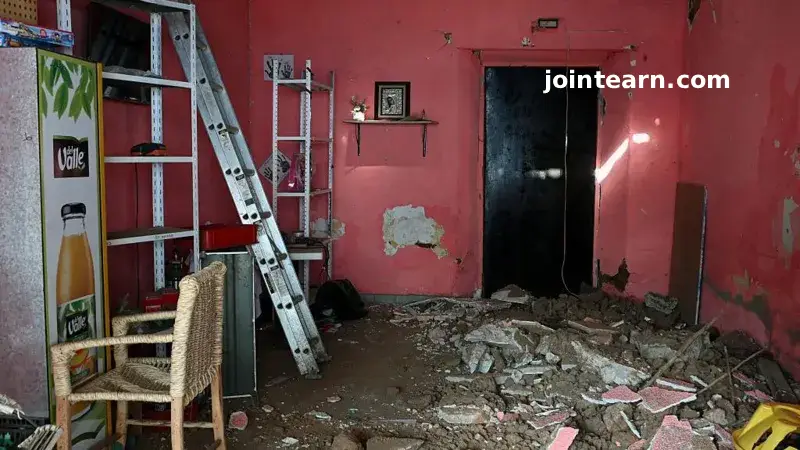
Footage from both Mexico City and Acapulco shows buildings swaying and cars trembling, while inside homes in San Marcos, Guerrero, floors were covered in rubble and damaged furniture.
Historical Context
Mexico has a long history of devastating earthquakes due to its location along the Pacific Ring of Fire.
- The 1985 Mexico City earthquake claimed more than 10,000 lives.
- In 2017, a magnitude 7.1 earthquake killed over 200 people and destroyed dozens of buildings in the capital.
The Mexican Seismic Alert System was implemented after 1985 to give residents advance warning of major quakes, helping reduce casualties and improve emergency response.
Current Safety Measures
Authorities continue to inspect buildings and infrastructure to prevent further harm. Residents and tourists in Mexico City and Acapulco were urged to remain vigilant, particularly given the hundreds of aftershocks following the initial quake.
Emergency services are also monitoring vulnerable areas for landslides and structural failures. The Mexican government has urged the public to follow official guidelines and prioritize safety.
Conclusion
The magnitude 6.5 earthquake in southern and central Mexico serves as a stark reminder of the country’s vulnerability to seismic activity. While early alerts and evacuation protocols helped reduce casualties, the quake caused significant damage and ongoing disruption in Guerrero and Mexico City. Authorities continue to assess the situation, with hundreds of aftershocks and preventive inspections keeping residents on high alert.


Leave a Reply