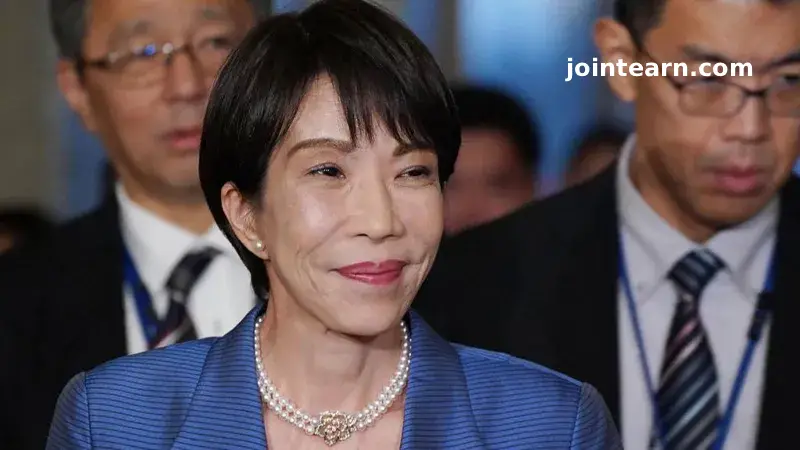
Japan’s first female Prime Minister, Sanae Takaichi, has joined a growing movement of female lawmakers petitioning for more women’s toilets in the parliament building, reflecting the increasing presence of women in the country’s legislature.
In October 2024, a record 73 women were elected to the 465-seat Lower House, surpassing the previous high of 54 women in 2009. This historic shift has highlighted long-standing gender disparities in parliamentary facilities, with female MPs often facing long waits due to limited restroom access.
The Petition for More Female Toilets
Approximately 60 women lawmakers, including Takaichi, signed the petition, citing the lack of adequate restrooms for female MPs, staff, and visitors.
Opposition lawmaker Yasuko Komiyama described the situation as “often inconvenient,” noting that women sometimes had to queue for extended periods before plenary sessions began. One MP reportedly said she had “given up” going to the toilet before sessions due to the long lines.
Currently, the parliament building has:
- Nine female toilets with 22 cubicles across the building, including just two cubicles near the plenary chamber.
- 12 men’s toilets with 67 stalls and urinals, highlighting a significant disparity.
Komiyama emphasized the need to prepare for a future where women hold more than 30% of parliamentary seats, stating that sufficient facilities are a basic requirement for meaningful participation in governance.
Historical Context and Structural Challenges
Japan’s parliament building, completed in 1936, predates women’s suffrage by nearly a decade. Women were granted the right to vote in 1945, and the first female lawmakers were appointed in 1946.
The building itself is a sprawling three-story structure with a nine-story central portion, covering 13,356 square meters (143,800 sq ft) and a total floor area of 53,464 square meters, roughly equivalent to two football pitches.
While the building was designed long before women became a substantial part of the legislature, the current shortage of women’s restrooms underscores the ongoing structural and cultural challenges facing female MPs in Japan.
Government Response
Yasukazu Hamada, chair of the Lower House committee, has expressed a willingness to consider the proposal for more women’s toilets, according to the Asahi Shimbun.
The Japanese government had previously set a target of having 30% of leadership roles across all sectors held by women by 2020, but the deadline was quietly postponed by a decade. Currently, women hold about 16% of Lower House seats and roughly 33% (42 of 125 seats) in the Upper House.
Broader Issues of Gender Equality in Japan
Prime Minister Takaichi pledged to increase female representation in her cabinet to levels comparable with Nordic countries, which are leaders in gender equality. However, of her 19-member cabinet, she has appointed only two other women, highlighting persistent challenges in promoting women to leadership positions.
The shortage of women’s restrooms is not limited to parliament. Long lines for public women’s restrooms are common across Japan, reflecting broader gender disparities in infrastructure and urban planning.
Former Prime Minister Shigeru Ishiba had previously pledged to improve women’s restroom facilities nationwide to allow women to live with peace of mind, demonstrating that restroom shortages are a systemic issue affecting public life in Japan.
Conclusion
The push by Prime Minister Sanae Takaichi and fellow female lawmakers for more women’s toilets in parliament is more than a practical request—it symbolizes Japan’s ongoing struggle for gender equality. As the number of female MPs continues to grow, ensuring equitable facilities and representation remains a key challenge for Japanese society.
By addressing these structural issues, Japan can take a concrete step toward empowering women in politics and making legislative spaces more accessible and inclusive.


Leave a Reply