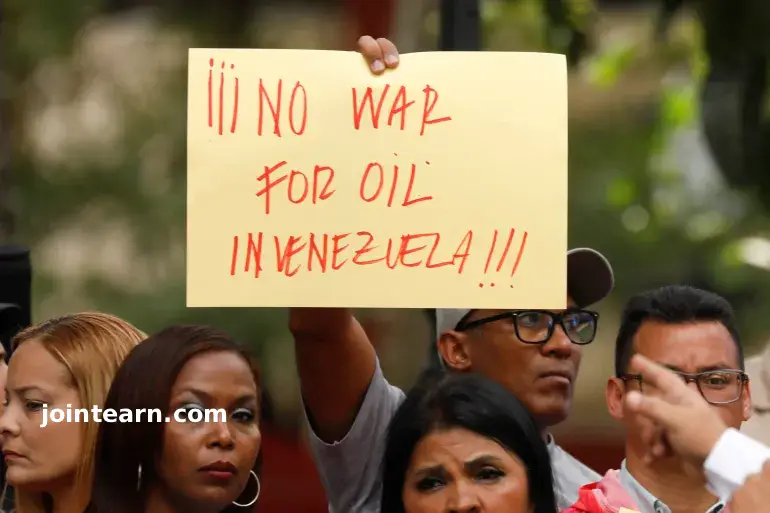
The Trump administration is reportedly scheduling meetings with executives from major US oil companies to discuss potential investments in Venezuelan oil production, following the US military operation that resulted in the abduction of Venezuela’s president, Nicolas Maduro. According to sources cited by Reuters, these discussions aim to explore ways to revive Venezuela’s oil sector, which has suffered from underinvestment and political turmoil for nearly two decades.
US Oil Giants Yet to Engage Directly
Despite President Donald Trump’s statements over the weekend claiming he had already met with “all” major US oil companies, industry insiders confirm that Exxon Mobil, Chevron, and ConocoPhillips have not yet had any direct conversations with the administration about operating in Venezuela.
“Nobody in those three companies has had conversations with the White House about operating in Venezuela, pre-removal or post-removal, to this point,” an oil executive told Reuters on Monday.
These upcoming meetings are expected to play a critical role in Trump’s strategy to increase crude oil production and exports from Venezuela, a former OPEC member with some of the largest proven oil reserves in the world. However, analysts warn that achieving meaningful production growth will require billions of dollars in investment and years of infrastructure rebuilding.
Political and Infrastructure Challenges
Venezuela’s oil infrastructure has been significantly degraded over the past two decades due to mismanagement, sanctions, and a lack of foreign investment. While Trump has signaled that US oil companies are “ready and willing” to make significant investments, experts highlight major hurdles:
- Political uncertainty following Maduro’s removal
- Legal and regulatory risks regarding foreign ownership and contracts
- Outdated and damaged infrastructure that will require extensive upgrades
- Global energy market fluctuations, including a 20% drop in US crude prices over the past year
Analyst Neal Dingmann of William Blair noted that while the administration may envision a rapid expansion of Venezuelan oil output, practical and economic realities make it unlikely in the short term.
“Political and other risks, along with current relatively low oil prices, could prevent this from happening anytime soon,” Dingmann wrote.
Historical Context: US Oil in Venezuela
Chevron is currently the only US major actively operating in Venezuela’s oil fields, exporting around 150,000 barrels per day to the US Gulf Coast.
Exxon Mobil and ConocoPhillips, by contrast, were nationalized nearly two decades ago by former Venezuelan President Hugo Chavez. Both companies have been involved in arbitration and legal disputes to recover billions in lost investments. Chevron has navigated US sanctions carefully to maintain its Venezuelan operations, highlighting the complexity of returning American oil companies to the country.
Market Reaction and Global Implications
Following news of the planned meetings, the S&P 500 energy index rose to its highest level since March 2025, with Exxon Mobil gaining 2.2% and Chevron jumping 5.1%. Analysts suggest that any substantial US investment in Venezuela could eventually impact global crude oil markets, but caution that the country’s political and economic instability makes such outcomes uncertain.
Trump Administration’s Ambitions in Venezuelan Oil
President Trump has framed Venezuela’s oil sector as a strategic asset, signaling that US companies could play a major role in reviving production to benefit both domestic and global energy markets. However, any significant changes will face hurdles: infrastructure rebuilding, navigating sanctions, legal claims from prior nationalizations, and ensuring stability in a politically volatile country.
“All of our oil companies are ready and willing to make big investments in Venezuela that will rebuild their oil infrastructure, which was destroyed by the illegitimate Maduro regime,” said White House spokesperson Taylor Rogers.
Industry insiders caution that collective discussions with the White House could raise antitrust concerns, suggesting that companies may prefer to engage individually rather than in joint meetings.
As the Trump administration pursues its agenda, the future of US oil operations in Venezuela remains uncertain, hinging on both political developments and practical feasibility in the face of economic and geopolitical challenges.


Leave a Reply