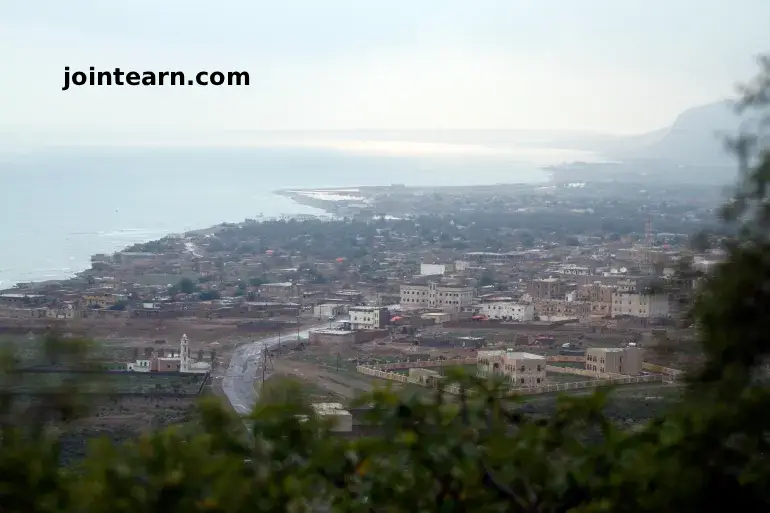
Around 400 tourists remain stranded on Socotra, Yemen’s largest island, as ongoing clashes between Saudi-backed government forces and UAE-backed secessionists disrupt flights and travel. The island, part of the Socotra archipelago in the Arabian Sea, has become a focal point of the intensifying conflict in southern Yemen, leaving international visitors stuck far from home.
Flights Grounded Amid Mainland Clashes
Air travel to and from Yemen has been severely restricted over the past few days due to heavy fighting between rival armed factions under Yemen’s fractured government, based in the southern port city of Aden.
Yahya bin Afrar, Socotra’s deputy governor for culture and tourism, confirmed that over 400 foreign tourists are currently stranded after flights were suspended. According to local officials, the group includes nationals from Russia, the United States, the United Kingdom, France, Poland, and China, among others.
A Polish Ministry of Foreign Affairs spokesperson stated on X (formerly Twitter) that Polish tourists on the island are awaiting evacuation, highlighting the severity of the disruption in what is normally a popular tourist destination.
“Socotra is located in a highly unstable region, where an armed conflict has been ongoing for years. Currently, the security situation has further deteriorated. Due to the intensification of military operations, airspace has been closed,” the spokesperson said.
Tourists initially visiting the island for New Year’s celebrations are now seeking help from their respective embassies, which have contacted the Saudi and Yemeni authorities to arrange evacuations.
Socotra and Southern Yemen: Strategic and Political Context
Socotra lies 380 kilometers south of Yemen’s mainland and 80 kilometers west of the Horn of Africa. The islands are currently under the control of the UAE-backed Southern Transitional Council (STC), which has clashed repeatedly with the Saudi-supported government in Yemen’s southern governorates of Hadramout and al-Mahra.
The latest escalation comes after secessionist forces sought to expand their influence in southeastern Yemen, aiming to establish an independent state. Historically, the STC and Yemen’s internationally recognized government cooperated under the Presidential Leadership Council (PLC) to fight the Iran-aligned Houthi movement controlling northwestern Yemen, including the capital, Sanaa.
Saudi-Backed Forces Retake Southern Governorates
This week, “Homeland Shield” forces, backed by Saudi Arabia, regained control of Hadramout and al-Mahra, nearly half of Yemen’s territory, from STC rebels. Salem al-Khanbashi, governor of Hadramout, has been appointed to command the Saudi-led forces in the region.
In an interview with Al Jazeera Arabic, al-Khanbashi pledged to restore stability, reopen airports and ports, and provide compensation for damage caused during the STC’s advance. He emphasized the importance of collaboration with political and tribal groups to maintain security.
“Ports and airports in the governorate will soon be operational,” al-Khanbashi said. “We are focused on getting electricity, water, and health services back up and running to ensure normal life returns to the region.”
Implications for Tourism and Regional Stability
Socotra, renowned for its unique biodiversity and pristine landscapes, has historically attracted tourists from around the world. The current disruption highlights the fragility of travel and security in conflict zones, with international tourists caught amid escalating hostilities.
The situation underscores the broader tensions between the UAE-backed STC and Saudi-supported government forces, reflecting the complex interplay of regional powers in Yemen. As the Presidential Leadership Council attempts to consolidate control, Socotra remains a symbol of both Yemen’s tourism potential and its political vulnerability.
Authorities are now working to resume air services and evacuate stranded tourists, signaling cautious optimism that normalcy may return to Socotra in the coming days.


Leave a Reply