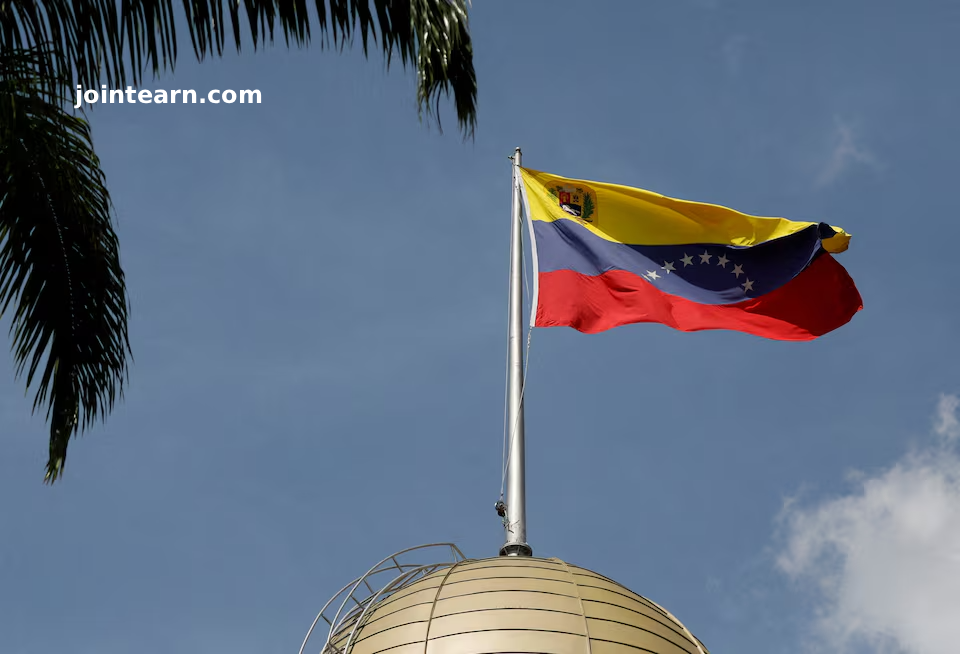
A key group of Venezuelan bondholders has signaled its readiness to start debt restructuring negotiations once formal authorization is granted. The announcement follows the recent U.S. capture of President Nicolás Maduro, which has driven Venezuelan government bonds higher and renewed hopes for one of the largest and most complex sovereign debt restructurings in recent history.
Venezuelan Debt Situation
Venezuela’s government and state oil company PDVSA have defaulted on bonds with a combined face value of roughly $60 billion. Analysts estimate the country’s total external debt, including PDVSA obligations, bilateral loans, and arbitration awards, at $150–170 billion, depending on accrued interest and court judgments.
The Venezuela Creditor Committee (VCC)—which includes major investors such as GMO, Greylock Capital, Fidelity, T. Rowe Price, Mangart Capital, and Morgan Stanley Investment Management—stressed the importance of restoring access to international private capital for Venezuela’s economic and social recovery, particularly in the oil sector.
U.S. Sanctions and Licenses
U.S. sanctions currently prevent engagement with the Venezuelan government without a waiver or special license. The VCC previously applied for such a license in late 2024 during the Biden administration and has continued communications with the U.S. Treasury and the Office of Foreign Assets Control (OFAC).
Sources indicate that key VCC members met U.S. officials during the IMF/World Bank meetings in Washington last October, though it is unclear whether further meetings have occurred since Maduro’s capture. U.S. authorities declined to comment on specific licenses.
Next Steps for Debt Talks
The VCC stated it is prepared to initiate a negotiated restructuring process as soon as authorization is granted, signaling optimism among investors for resolving Venezuela’s debt crisis. The process is expected to be complex and time-consuming, given the size of the debt and the legal and regulatory constraints in place.
Additionally, investor engagement is not limited to the U.S.; for example, British bank Barclays hosted a meeting with Venezuelan opposition leader María Corina Machado in Washington last October to discuss the country’s economic and debt strategies.
Outlook
Restoring Venezuela’s access to international capital markets is seen as a crucial step toward stabilizing the economy, supporting infrastructure projects, and reviving the oil sector. However, the combination of high debt levels, ongoing sanctions, and political uncertainty makes this a challenging endeavor.


Leave a Reply