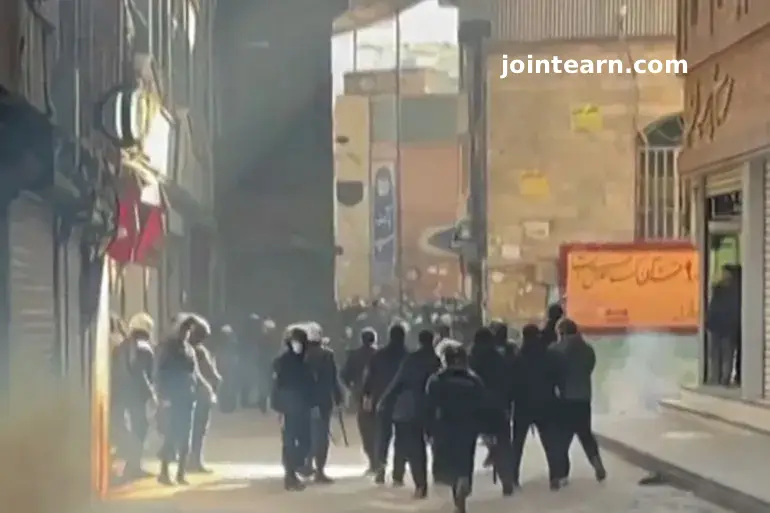
Iran is experiencing a nationwide internet blackout, according to the digital monitoring group NetBlocks, as protests against the government intensify amid a worsening economic crisis. The blackout follows a series of escalating digital censorship measures targeting citizens trying to communicate online during demonstrations.
“The blackout hinders the public’s right to communicate at a critical moment,” NetBlocks said on social media, highlighting concerns about freedom of expression in the country.
Nationwide Protests Over Economic Crisis
Protests erupted across Iranian cities in late December 2025, driven by public anger over rising living costs and the rapid devaluation of the Iranian rial. Since the demonstrations began, at least 21 people, including security personnel, have been killed, according to the AFP news agency, citing local media and official sources.
Thousands took to the streets in Tehran on Thursday evening, with widespread confrontations between protesters and police, according to Al Jazeera correspondent Tohid Asadi.
“Several streets were blocked while I was driving from downtown. We heard chants and slogans against the political establishment,” Asadi reported.
Analysts say the protests reflect deep dissatisfaction among the working and lower middle classes, who are struggling to meet basic needs due to the economic squeeze.
Government Response and Crackdown
Iranian authorities have issued mixed messages regarding the unrest. President Masoud Pezeshkian called for “utmost restraint” in handling the demonstrations. However, Supreme Leader Ayatollah Ali Khamenei took a harsher stance, saying rioters must be “put in their place.”
Chief Justice Gholam-Hossein Mohseni-Ejei warned that anyone creating “insecurity” on the streets or supporting protests would face no leniency, accusing demonstrators of acting in line with the interests of the United States and Israel.
International Reactions
The United Nations has urged Iranian authorities to respect human rights, freedom of expression, and peaceful assembly. UN Secretary-General Antonio Guterres stressed the importance of preventing further casualties.
“All individuals must be allowed to protest peacefully and express their grievances,” said UN spokesperson Stephane Dujarric.
Human rights organizations have condemned attacks on medical facilities. Amnesty International reported that security forces entered Imam Khomeini Hospital in Ilam, firing tear gas, smashing doors, and assaulting staff and patients.
“Iran’s security forces must immediately stop the unlawful use of force and firearms against protesters, end arbitrary arrests of those seeking treatment, ensure the injured receive medical care, and respect the sanctity of medical facilities,” Amnesty International stated.
Historical Context
This wave of protests follows mass demonstrations in 2022 and 2023 triggered by the death of Mahsa Amini, a 22-year-old woman who died in police custody after allegedly violating Iran’s strict dress code. Those protests also resulted in widespread crackdowns, internet restrictions, and international criticism.
The current blackout signals the government’s ongoing strategy to suppress communication and organize protests, reflecting both the intensity of dissent and Tehran’s reliance on digital censorship to maintain control.
Key Takeaways
- Iran is under a nationwide internet blackout, restricting access to communication amid protests.
- Demonstrations are driven by economic hardships, including rising costs of living and currency devaluation.
- At least 21 deaths have been reported, including civilians and security forces.
- Iranian authorities have issued warnings and crackdowns, accusing protesters of working with foreign powers.
- UN officials and human rights groups have condemned the violence and emphasized freedom of assembly and medical neutrality.
- The unrest follows earlier post-Mahsa Amini protests and demonstrates ongoing tension over government accountability and civil liberties.


Leave a Reply