Nigeria’s Tax Reform Acts 2025 represent a significant step toward modernising the country’s fiscal architecture, aiming to create an efficient, transparent, and growth-oriented tax system. Joseph Tegbe, Chairman of the National Tax Policy Implementation Committee (NTPIC), describes the reforms as a comprehensive overhaul built on four pillars: reconnecting the economy to the state, standardising fiscal administration, promoting predictability, and rebalancing the fiscal social contract.
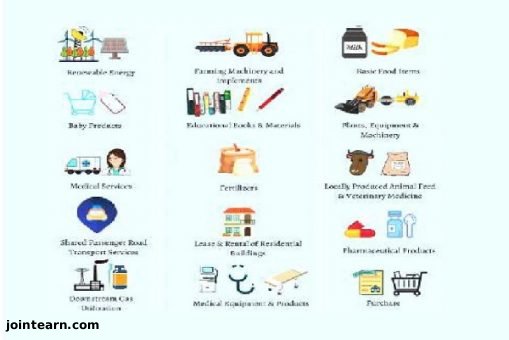
The reforms expand the tax net, simplify rules, and introduce technology-driven administration such as e-invoicing, all aimed at creating a predictable environment for households and businesses. Low-income earners and small businesses are protected, with tax exemptions for individuals earning up to N800,000 and expanded zero-rated VAT items for essential sectors like healthcare, education, and agriculture.
Tegbe notes that the reforms draw from global best practices, citing South Korea, Singapore, and Rwanda, where tax modernization has fueled economic growth and improved livelihoods.
Critics Voice Concerns
Opponents argue the reforms may impose additional burdens amid high inflation (over 24% in late 2025) and the removal of fuel and electricity subsidies. Concerns include potential worsening of poverty, erosion of low-income purchasing power, and perceived threats to state fiscal autonomy through the proposed VAT-sharing formula. Some stakeholders also highlight a lack of consultation and doubts about government accountability in utilizing tax revenue effectively.
Additionally, new provisions allowing taxpayer arrests via law enforcement agencies have drawn criticism, with opponents calling them draconian and potentially punitive.
Supporters Rally for Reform
Supporters, including the Lagos State Chapter of the All Progressives Congress (APC), counter that much opposition stems from misinformation and political rhetoric. They emphasize that the reforms prioritize low-income earners, simplify tax compliance for businesses, and promote fairness and equity. Large corporations are expected to contribute proportionally, while vulnerable groups enjoy exemptions.
The APC highlights that a modern, sustainable economy cannot rely on Nigeria’s previously fragmented, oil-dependent tax system, which suffered from revenue leakages, overlapping mandates, and weak enforcement. The reforms aim to correct these structural inefficiencies while supporting investment, business growth, and sustainable development.
Looking Ahead
While implementation requires transparency, stakeholder engagement, and careful monitoring, the Tax Acts 2025 signal a long-term policy shift toward economic stability, fiscal accountability, and equitable growth. The reforms are framed not as punitive measures but as necessary steps to secure a stronger and fairer economic future for Nigeria.


Leave a Reply