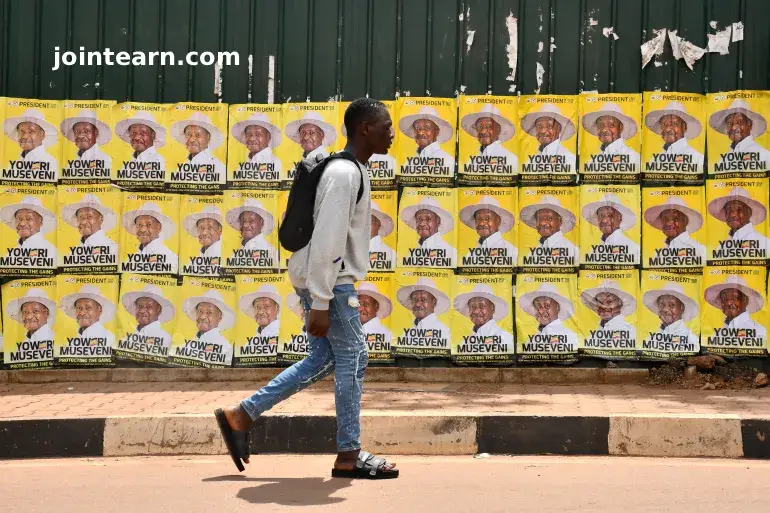
Uganda is facing intensifying international calls to lift a nationwide internet blackout imposed ahead of its highly contested presidential election, with human rights groups and the United Nations warning that the restrictions threaten transparency, freedom of expression, and the credibility of the vote.
The Uganda Communications Commission (UCC) instructed mobile network operators to block public internet access starting Tuesday evening, citing the need to curb “misinformation, disinformation, electoral fraud and related risks.” However, critics argue the blackout is part of a broader campaign of repression against political opposition, journalists, and civil society ahead of the January 15 vote.
“Open access to communication and information is key to free and genuine elections. All Ugandans must be able to take part in shaping their future and the future of their country,” stated the UN Human Rights Office in a social media post on Wednesday.
UN and Human Rights Groups Condemn Blackout
The UN’s warning comes amid concerns that the blackout will limit transparency, hinder voter awareness, and increase the risk of electoral fraud. According to NetBlocks, a global internet monitoring organization, Uganda is experiencing a widespread internet shutdown, severely restricting access to both social media and other online information platforms.
Amnesty International also condemned the move. Tigere Chagutah, the East and Southern Africa regional director, called the blackout “a brazen attack on the right to freedom of expression”.
“It is especially alarming coming as it does just before a crucial election already marred by massive repression and an unprecedented crackdown on opposition parties and dissenting voices,” Chagutah said.
“Blanket shutdowns disrupt people’s mobility, livelihoods, and their ability to access vital information. They are inherently disproportionate under international human rights law and must never be imposed.”
Museveni Seeks Seventh Term Amid Opposition Crackdown
The election sees 81-year-old incumbent President Yoweri Museveni seeking a seventh term after more than four decades in power. His main challenger is pop star-turned-politician Bobi Wine, whose campaign has faced repeated disruptions from Ugandan authorities, including restrictions on rallies and arbitrary arrests of supporters.
Human rights organizations have documented a pattern of repression ahead of the vote, warning that Ugandans are heading to the polls amid widespread intimidation against opposition figures, journalists, and civil society actors.
During Uganda’s last general elections in 2021, widespread violence and state-imposed internet restrictions contributed to at least 54 deaths, according to Human Rights Watch.
Internet Shutdowns and Election Integrity
The ongoing blackout highlights the growing concern about the role of information access in credible elections. While Ugandan authorities argue that restricting connectivity is necessary to prevent misinformation, critics emphasize that blocking digital communication undermines the democratic process.
“Far from halting misinformation, the measure is likely to reduce transparency and accountability in the election,” said NetBlocks.
Observers warn that suppressing digital channels for communication just days before the vote could compromise both domestic and international confidence in the electoral outcome.
Global Response
The UN and leading human rights organizations are urging Uganda to immediately restore internet access to ensure voters can freely access information and communicate during the election. International pressure is mounting, with calls for free, fair, and transparent elections and for Ugandans to have unhindered digital access to news, social media, and civic information.
“Internet access is no longer a luxury; it is a prerequisite for democracy,” emphasized the UN Human Rights Office.
As the January 15 election approaches, the world is watching to see whether President Museveni’s government will maintain the blackout or heed international demands to restore digital connectivity.
Key Takeaways
- Uganda imposed a nationwide internet blackout ahead of the January 15 presidential election.
- The UN Human Rights Office called the restrictions “deeply worrying” and emphasized access to communication is essential for democracy.
- Amnesty International condemned the shutdown as a disproportionate attack on freedom of expression.
- President Yoweri Museveni seeks a seventh term; main challenger is Bobi Wine.
- Previous elections, including 2021, were marked by violence, social media restrictions, and suppression of opposition voices.


Leave a Reply