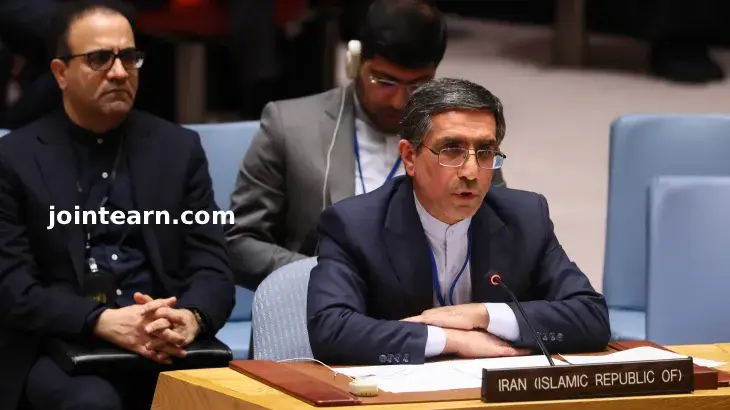
New York, USA – The United Nations Security Council held an emergency session on Thursday to address the escalating protests in Iran, which have resulted in significant loss of life and triggered concerns over possible US military intervention. The meeting, requested by the United States, brought Iranian and American officials face-to-face in tense exchanges over the handling of nationwide unrest.
US and Iran Clash at UN
At the Security Council, Iran’s deputy UN representative, Gholamhossein Darzi, stressed that Tehran seeks no escalation or confrontation. He warned, however, that any act of aggression by external powers would elicit a “decisive, proportionate, and lawful response” under Article 51 of the UN Charter, holding aggressors accountable for any consequences.
US representative Mike Waltz condemned the Iranian government’s crackdown, citing the ongoing internet blackout as an obstacle to verifying the scale of violence against protesters. He highlighted the widespread demand for freedom among Iranians and dismissed Tehran’s claims that protests were orchestrated by foreign actors.
Protests Sparked by Economic Crisis
UN Assistant Secretary-General Martha Pobee briefed the Council, noting that protests began on 28 December 2025 in Tehran’s Grand Bazaar in response to the currency collapse, inflation, and worsening economic conditions. The unrest has since spread nationwide, with reports of over 18,000 detainees as of mid-January 2026, although UN monitors have been unable to independently verify this number.
Pobee emphasized that detainees must be treated humanely, executions related to protests halted, and all deaths investigated independently. Accountability for human rights violations must align with international norms.
Voices from Iranian Civil Society
The Council also heard from Iranian-American journalist Masih Alinejad, a prominent critic of the Iranian government. Alinejad condemned the violence against protesters and urged immediate action to ensure justice for those targeted. She told the Council, “Real and concrete action is needed now to bring justice to those who order massacres in Iran.”
Darzi responded by reiterating Iran’s commitment to avoid escalation but defended the government’s response to the protests as lawful. Iranian Foreign Minister Abbas Araghchi previously denied any plans to execute protesters, stating in an interview that “hanging is out of the question.”
Sanctions and International Pressure
The US has imposed additional sanctions on Iran, targeting Secretary of the Supreme National Security Council Ali Larijani and other officials accused of orchestrating the violent crackdown. These measures come amid long-standing sanctions that have exacerbated Iran’s economic crisis, fueling ongoing public unrest.
Global Implications
The Security Council meeting reflects growing international concern over Iran’s instability and the potential for regional escalation. While diplomatic dialogue continues, the situation remains tense, with thousands of Iranians detained, widespread protests, and ongoing economic hardship shaping the country’s fragile political landscape.


Leave a Reply