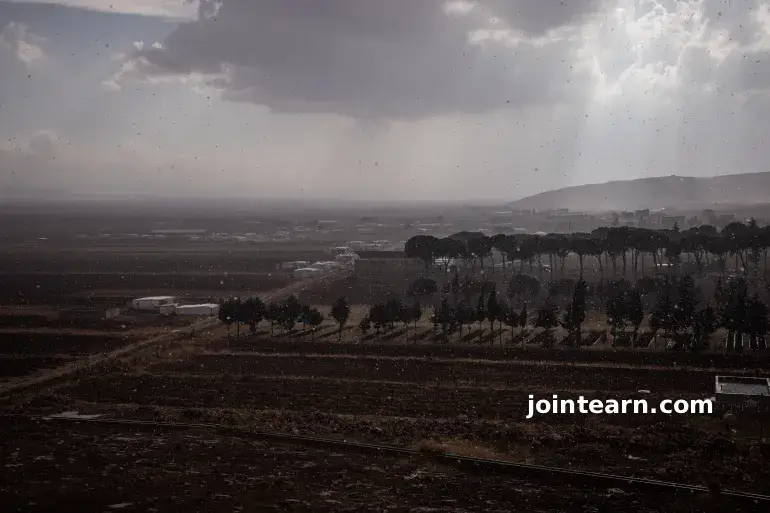
Bekaa Valley, Lebanon – January 15, 2026 – The Israeli military has conducted air and artillery strikes on villages in Lebanon’s Bekaa Valley, escalating tensions in the region and raising fears of a broader confrontation with Hezbollah. Reports indicate that the villages of Sohmor and Mashghara were targeted, with Israeli officials claiming the strikes hit buildings allegedly used for Hezbollah infrastructure.
“Residents of these areas have been warned to evacuate ahead of planned strikes,” said Israeli army spokesperson Avichay Adraee, citing security concerns and the presence of militant assets.
Details of the Israeli Strikes
According to Hezbollah-affiliated Al-Manar TV, Israel struck:
- Two residential buildings in Sohmor
- Two additional buildings in Mashghara
The Israeli military also stated it targeted several “Hezbollah sites” across Lebanon but did not provide a precise location for all attacks.
These operations come despite the 2024 ceasefire agreement between Israel and Hezbollah, which was intended to stabilize southern Lebanon. Analysts note that the frequency of attacks has intensified, signaling a potential shift in Israel’s approach toward Lebanon.
Background: Hezbollah and Lebanon’s Disarmament Efforts
Israel, with backing from the United States, has been pressuring the Lebanese government to disarm Hezbollah, particularly in southern Lebanon along the border.
- January 8, 2026: Lebanese military declared completion of the first phase of disarming non-state armed groups between the Litani River and the Israeli border.
- The Lebanese cabinet plans to review further steps for disarmament across the country next month.
However, Hezbollah has resisted disarmament beyond the southernmost regions, warning that attempts to seize its weapons further north could lead to instability or civil war.
“The path taken by state institutions could push Lebanon toward chaos,” said Hezbollah official Mahmoud Qmati in an interview with Russian media outlet RT.
Hezbollah maintains that its arsenal is necessary to deter further Israeli incursions into southern Lebanon, where the Lebanese army is relatively under-equipped.
Escalation Risks and Regional Implications
The strikes come amid reports that Israel continues to maintain troops in five southern Lebanese areas, violating the 2024 truce. The targeting of locations north of the Litani River signals that Israel may be entering phase two of its disarmament campaign.
Al Jazeera correspondent Zeina Khodr in Beirut explained:
“The Israeli military’s focus north of the Litani River indicates a potential expansion of operations, but the Lebanese army has stressed that it requires time to implement a nationwide disarmament strategy.”
Hezbollah, meanwhile, has declared that it will not cooperate with Lebanese army efforts beyond the south, heightening the risk of confrontation if Israeli actions continue.
International and Local Reactions
- Lebanese civilians in the Bekaa Valley have expressed fear over repeated airstrikes and the threat of escalating violence.
- Regional observers warn that continued Israeli operations against Hezbollah strongholds could destabilize Lebanon, reignite cross-border conflict, and draw in international actors.
Analysts say the situation underscores persistent volatility in the Israel-Lebanon frontier, with Hezbollah balancing deterrence against the Israeli military and maintaining influence within Lebanon’s political landscape.
“There will be no dialogue on areas north of the Litani River until Israel withdraws from Lebanese territory, releases prisoners, and halts violations,” Qmati added.


Leave a Reply