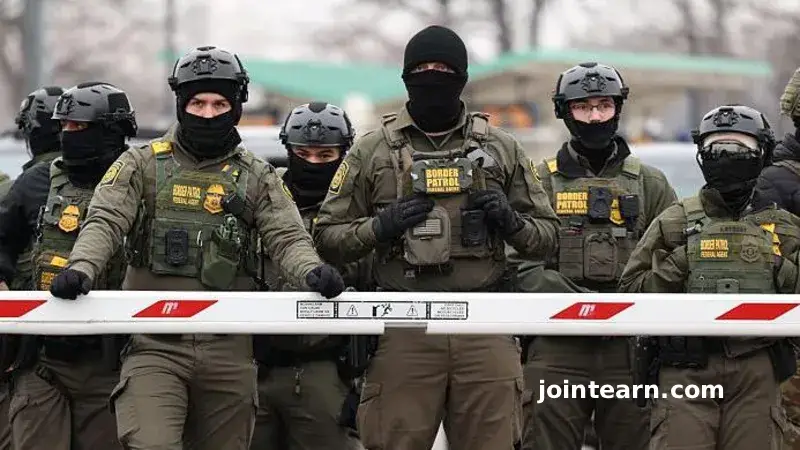
In a dramatic escalation of tensions between the Trump administration and Minnesota state leaders, the U.S. Justice Department has launched an inquiry into two prominent Minnesota Democrats—Governor Tim Walz and Minneapolis Mayor Jacob Frey—over alleged attempts to obstruct federal immigration operations. The investigation centers on public statements made by both leaders regarding Immigration and Customs Enforcement (ICE).
Background: Federal Scrutiny of Minnesota Leaders
According to reports from CBS News, the probe arises amid ongoing federal legal restrictions on law enforcement tactics in Minneapolis. A federal judge recently blocked ICE and other federal authorities from using pepper spray and arresting peaceful demonstrators, limiting federal power during heightened protests.
The scrutiny follows a surge of public demonstrations after Renee Good, a 37-year-old Minneapolis resident, was shot and killed by an ICE agent last week. Good’s death has fueled widespread criticism of federal immigration enforcement in the city.
Details of Renee Good’s Death
New reports revealed that Renee Good sustained at least three gunshot wounds, with a possible fourth to the head, according to official records reviewed by CBS. Local authorities stated she was found unresponsive in her SUV and later pronounced dead en route to the hospital.
Video footage shows Good attempting to alert neighbors to the presence of ICE officers, driving her Honda SUV slowly as agents approached. A federal agent then fired multiple shots at the vehicle. Local officials insist that Good posed no threat and was a legal observer, while the Trump administration claims she tried to obstruct federal law enforcement.
Governor Walz condemned the investigation in a statement on X (formerly Twitter), calling it “weaponizing the justice system against your opponents” and criticizing the lack of scrutiny on the agent involved in Good’s death. Mayor Frey also vowed not to be intimidated, describing the inquiry as an attempt to punish him for protecting local residents and law enforcement.
Legal Focus: Alleged Conspiracy to Obstruct Federal Officers
The Justice Department inquiry focuses on 18 U.S.C. § 372, a federal statute making it a crime for two or more individuals to conspire to prevent federal officers from executing their duties through force, intimidation, or threats. Officials have not confirmed if criminal charges will be filed.
Meanwhile, a federal judge issued an 83-page order limiting ICE’s operational tactics, prohibiting:
- Arresting peaceful protesters
- Using pepper spray or non-lethal force on demonstrators
- Detaining individuals in vehicles without reasonable suspicion of interference
The ruling underscores ongoing legal scrutiny of federal enforcement in Minneapolis, particularly as protests continue.
Political Fallout and Public Protests
Thousands of ICE officers remain deployed across Minneapolis, amid ongoing unrest. Democratic lawmakers have traveled to the city to condemn federal immigration actions and support local residents. Key voices include:
- Rep. Ilhan Omar (Minnesota): Described ICE operations as an attempt to “provoke chaos and fear.”
- Rep. Adriano Espaillat (New York): Called ICE a “deadly weapon.”
- Rep. Pramila Jayapal (Washington): Advocated for stricter regulations, including body cameras, name tags, and limits on mask-wearing for ICE agents.
Residents shared testimony alleging unlawful detention, shackling, and questioning of U.S. citizens during federal operations.
In response, DHS spokeswoman Tricia McLaughlin stated that ICE may ask nearby individuals to confirm their identity if there is reasonable suspicion but denied allegations of racial targeting, emphasizing that “racial animus has no place in DHS operations.”
Trump Administration Reaction
President Donald Trump publicly criticized protests and local leaders, claiming demonstrators were “highly paid professionals” and asserting that Walz and Frey had lost control of the city. Trump also ruled out invoking the Insurrection Act, stating that federal troops would not be deployed to quell unrest at this time.
The Broader Context: ICE and U.S. Immigration Enforcement
ICE has broad authority to enforce immigration laws in the United States, including the detention and deportation of individuals suspected of violating immigration statutes. However, its operations have increasingly faced criticism in Minneapolis and other cities for aggressive tactics, particularly during politically sensitive enforcement actions.
The death of Renee Good has intensified scrutiny of ICE, raising questions about law enforcement accountability, federal oversight, and civil rights protections. The Justice Department’s inquiry into Governor Walz and Mayor Frey highlights the politicization of federal law enforcement and the growing conflict between state and federal authorities over immigration policy.
Conclusion
As tensions escalate in Minnesota, the Justice Department’s investigation signals a continuing clash between federal authorities and local leaders, while residents demand accountability for Renee Good’s death. Legal experts, lawmakers, and human rights advocates are watching closely, anticipating potential policy changes, new legislation, or federal disciplinary action.
The unfolding situation underscores broader debates over immigration enforcement, federal-state relations, and civil liberties in the United States, as both protests and federal investigations continue in Minneapolis.


Leave a Reply