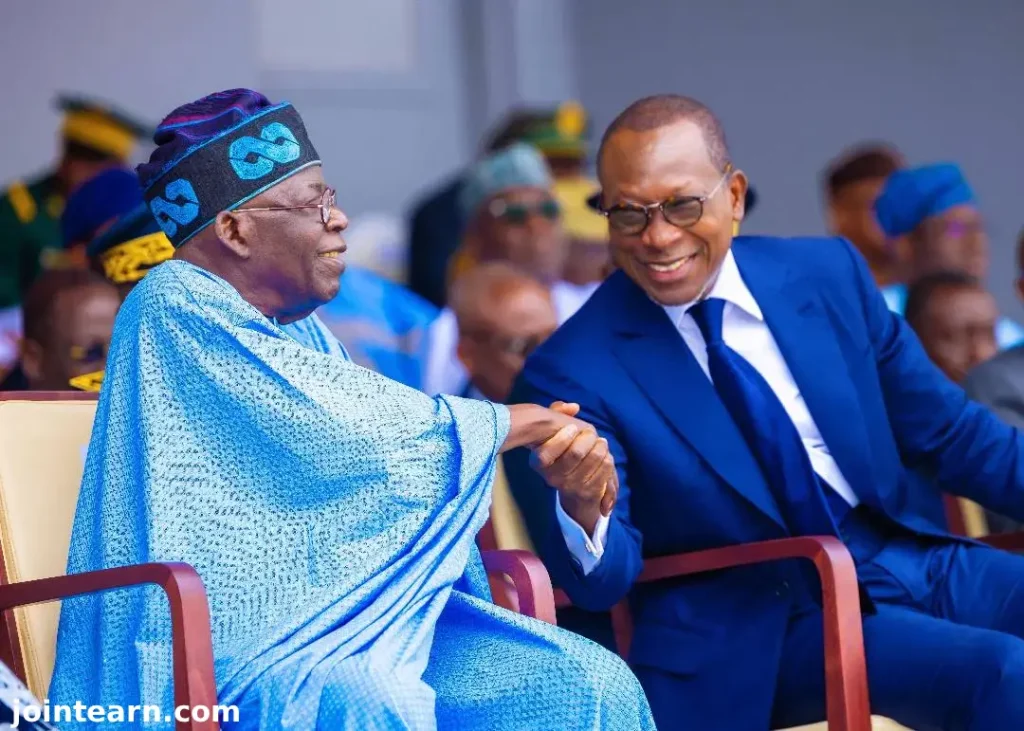
The recent attempted coup in Benin has sparked intense reactions, especially concerning the inconsistent responses of the Economic Community of West African States (ECOWAS) and the African Union (AU) to democratic backsliding on the continent. While ECOWAS swiftly intervened to quell the coup, deploying military forces from Nigeria, Ghana, Ivory Coast, and Sierra Leone to restore President Patrice Talon’s government, critics have questioned the regional bodies’ failure to respond decisively to the gradual erosion of democracy through electoral fraud, constitutional manipulation, and authoritarian governance by civilian leaders.
This intervention raises uncomfortable questions about how ECOWAS and the AU approach democratic violations. Many activists and political analysts argue that while the regional organizations are quick to condemn military coups, they remain largely silent or ineffective when it comes to holding civilian leaders accountable for undermining democracy from within. Critics point out that “constitutional coups” — the gradual erosion of democratic principles through manipulated elections, extended presidential terms, and the repression of dissent — are often treated as “internal matters” that fall outside the scope of regional interventions.
Misgovernance and Military Coups: Root Causes of Instability
The growing frustration with misgovernance across the continent is often cited as the root cause of the military coups that have increasingly plagued West Africa in recent years. From election rigging to the muzzling of opposition voices, many African nations are experiencing political decay, and as a result, coups are gaining some public legitimacy. In Benin, for example, the coup attempt was welcomed by parts of the population who felt the Talons had abused their power, manipulating the constitution and suppressing political opposition.
Prof. Benjamin Okaba, President of the Ijaw National Congress (INC), noted the paradox of ECOWAS and the AU condemning military juntas while ignoring the gradual erosion of democracy through constitutional changes and the disenfranchisement of opposition. He remarked that “the disparity stems from fundamental differences in how these two threats are legally defined”, suggesting that military coups are viewed as clear-cut violations, while civilian misrule often happens in a legalistic gray area.
The Dangerous Double Standard
Activists and political analysts argue that ECOWAS and the AU’s failure to address constitutional manipulation is part of a double standard that undermines their credibility. According to Human Rights Activist Barr. Femi Aborisade, these organizations “condemn military coups” but “fail to take meaningful action when civilian leaders systematically dismantle democracy” through tactics such as rigged elections, constitutional amendments to extend presidential terms, and the entrenchment of authoritarian rule.
Barr. Aborisade called for “consistency” in defending democracy, arguing that “a coup is not defined solely by the presence of guns or the suspension of a constitution; democracy can be toppled quietly” by civilian leaders who manipulate legal frameworks. He pointed out that ECOWAS and the AU must confront “civilian subversion” of democracy with the same urgency they apply to military coups.
Lack of Will to Confront Erosion of Democracy
Lanre Ogunsuyi, a Public Analyst, echoed these concerns, noting that the AU and ECOWAS lack clear guidelines to address democratic backsliding in member states. He also pointed out that these organizations are “often paralyzed by political expediency” and “fragile political consensus”, making it difficult for them to take action against authoritarian leaders who manipulate constitutions and elections. This failure to act leaves the people of Africa unprotected, creating a void that is increasingly being filled by military coups.
Civil Society Demands Accountability
Comrade Ozobo Austin, a Niger Delta activist, argued that ECOWAS and the AU “lack moral rights” to intervene in military coups because they have “destroyed democracy” by supporting failed governments that allow “impunity, injustice, corruption, banditry, terrorism, and hunger” to persist. He believes these organizations have become complicit in the erosion of democracy by protecting corrupt leaders and failing to address the root causes of instability in Africa.
Political Hypocrisy: The Elephant in the Room
Several analysts, including Joseph Ambakederimo, convener of the South South Reawakening Group, and Gbemre, criticized ECOWAS and the AU for their “selective outrage” when it comes to democratic violations. They argued that the organizations often act swiftly when military juntas take power but remain largely silent when civilian leaders engage in the same anti-democratic actions under the guise of legality. The double standard reflects a “deep hypocrisy”, where leaders of African nations manipulate the democratic process to stay in power, and regional organizations fail to hold them accountable.
Marxist Kola Edokpayi, a civil society activist, expressed similar concerns, stating that “ECOWAS and the AU are now like toothless bulldogs” who “bark only when their interests are threatened.” He pointed to countries like Uganda, where opposition leaders are “clamped down by government forces” with no reaction from the AU or ECOWAS. He stressed that “it’s time African leaders uphold the rule of law and democratic ethics to avoid violent agitation that will welcome military action against democratically elected governments.”
Call for Reform
Tolulope Jubril, a legal practitioner, warned that unless ECOWAS and the AU “show the same energy” in confronting constitutional manipulation, electoral fraud, and authoritarianism as they do with military coups, they will lose all credibility as defenders of democracy in Africa.
Adelola Idowu, a legal practitioner from Oyo State, also emphasized that “when presidents manipulate constitutions to stay in power, rig elections, suppress opposition, and muzzle the press, the result is no less damaging than a coup”. He argued that ECOWAS and the AU must “acknowledge that a coup is not just an armed takeover but can also be the systematic erosion of democracy by civilian leaders”.


Leave a Reply