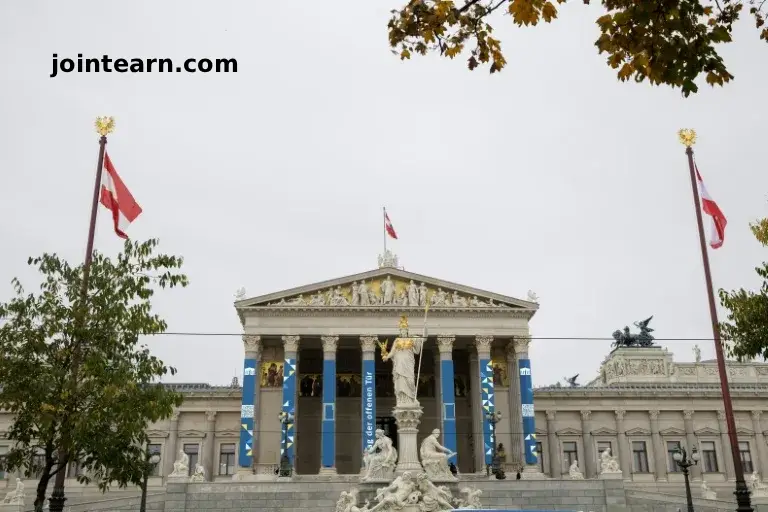
Austrian lawmakers are set to vote on a new law banning headscarves for girls under 14 in schools, a measure that has sparked intense debate over religious freedom, children’s rights, and discrimination. Rights groups, legal experts, and Muslim organizations warn that the proposal could marginalize young girls and deepen social divisions.
Background of the Proposed Headscarf Ban
The conservative-led Austrian government introduced the bill earlier this year, citing a desire to protect young girls from perceived oppression. Integration Minister Claudia Plakolm stated, “When a girl is told that she must hide her body to protect herself from the gaze of men, it’s not a religious ritual, but oppression.”
The law would cover all forms of Islamic veils, including hijabs and burqas, in all Austrian schools. If passed, the ban would take full effect at the start of the new school year in September 2026.
From February, a transitional period will allow educators, parents, and children to familiarize themselves with the rules without penalties. Repeated violations would result in fines for parents ranging from 150 to 800 euros ($175–$930). The government estimates that about 12,000 girls would be affected by the law.
Legal and Constitutional Concerns
Austria previously attempted a similar ban in 2019, which the constitutional court struck down as discriminatory. This time, the government insists that the law is constitutional, arguing it protects children’s rights.
However, constitutional law experts, including Heinz Mayer, have raised doubts, noting that previous rulings found the earlier ban discriminated against one religion. Mayer emphasized that banning headscarves could place children in an “uncomfortable situation” rather than those enforcing the law.
Criticism from Rights Groups and Muslim Communities
Amnesty International Austria condemned the bill, calling it blatantly discriminatory and an expression of anti-Muslim racism. The group warned that such laws could fuel prejudices and stereotypes against Muslims.
The official body representing Austria’s Muslim communities, IGGOe, also criticized the ban, saying it would jeopardize social cohesion and stigmatize children rather than empower them.
Angelika Atzinger, managing director of the Amazone women’s rights association, warned that the ban “sends girls the message that decisions are being made about their bodies and that this is legitimate.” Anti-racism organization SOS Mitmensch has echoed these concerns.
Political Context and Far-Right Influence
Austria’s far-right Freedom Party (FPOe), which failed to form a government last year, criticized the ban as insufficient. Party leaders have called for extending restrictions to all students, teachers, and school staff.
The governing coalition maintains confidence that the revised ban will withstand constitutional challenges, arguing that it aligns with protections for children’s rights enshrined in the constitution.
International Comparisons
Similar bans have been implemented in other European countries. France, for example, prohibited schoolchildren in 2004 from wearing clothing or symbols that display religious affiliation, including headscarves, turbans, or Jewish skullcaps, citing secularism and the need for neutrality in public institutions.
Legal observers note that Austria’s proposal may face challenges akin to those seen in France and past Austrian cases, particularly regarding religious freedom and equality under the law.
Conclusion
Austria’s proposed headscarf ban for girls under 14 highlights the tension between child protection policies, religious freedom, and social inclusion. While the government frames the law as a safeguard against oppression, critics argue it risks discrimination, social marginalization, and legal challenges. The upcoming parliamentary vote will determine the future of this controversial policy and its impact on Austrian society.


Leave a Reply