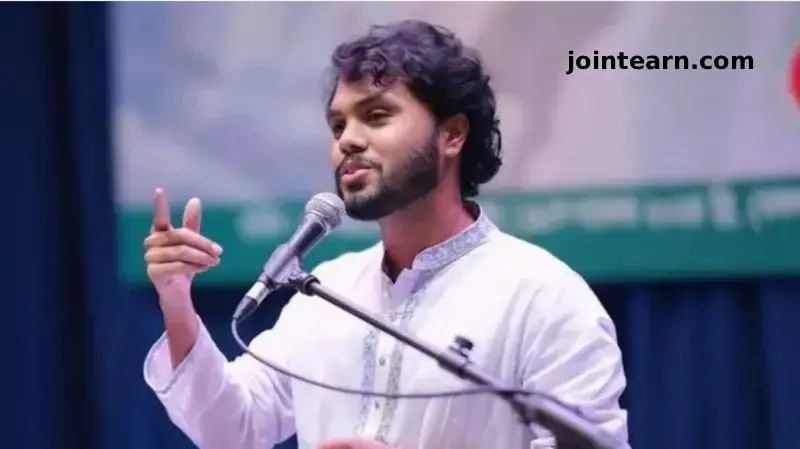
Staff at two of Bangladesh’s leading newspapers were left gasping for air as hundreds of protesters set fire to the offices of the Daily Star and Prothom Alo in Dhaka. The violent demonstrations erupted following the death of Sharif Osman Hadi, a prominent youth activist and senior leader of the student protest group Inqilab Mancha.
Hadi, 32, had risen to national prominence during the 2024 anti-government protests that led to the ousting of former Prime Minister Sheikh Hasina. He was shot by masked attackers on 12 December while leaving a mosque in Dhaka and later died of his injuries in a hospital in Singapore. Hadi had planned to contest the upcoming February 2025 elections as an independent candidate, shortly after the poll dates were announced.
Chaos at Newspaper Offices
On Thursday night, protesters stormed the offices of the Daily Star, an English-language paper, and Prothom Alo, a leading Bengali daily. Staff members were trapped on rooftops for hours, struggling to breathe amid smoke from the fires. Kamal Ahmed, consulting editor of the Daily Star, described the scene as one of the darkest days for independent journalism in Bangladesh. He confirmed that 28 colleagues were rescued only after additional military forces arrived.
No serious injuries were reported, but large portions of both buildings were severely damaged, with smoke still visible the following day. For the first time in 35 years, the Daily Star was unable to publish its print edition, with operations expected to remain disrupted for an extended period.
Context Behind the Attacks
The reasons for targeting the newspapers remain unclear. Both Daily Star and Prothom Alo are known for their secular and progressive reporting, and have previously faced criticism under Hasina’s administration. Since the July 2024 uprising, they have maintained a critical stance toward the interim government led by Nobel laureate Muhammad Yunus, which may have angered some supporters.
The interim government condemned the violence, stating that attacks on journalists are “attacks on truth itself” and stressing that Bangladesh is undergoing a historic democratic transition that must not be derailed by those who thrive on chaos. Other notable buildings, including the home of Bangladesh’s first president, Sheikh Mujibur Rahman, were also vandalized and set ablaze on Thursday.
Sharif Osman Hadi: A Symbol of the Youth Movement
Hadi emerged as a key figure after leading student protests that toppled Hasina’s 15-year rule. He was a vocal critic of neighbouring India, where Hasina remains in self-imposed exile, and became a prominent media personality following the 2024 protests. His assassination has been described by Yunus as a premeditated attack aimed at derailing the upcoming election, calling it “an irreparable loss for the nation.”
Authorities have detained several individuals in connection with the shooting. The interim government has declared a day of national mourning on Saturday, honoring Hadi’s contributions to Bangladesh’s youth movement and democratic progress.
Implications for Press Freedom and Democracy
The attacks on Daily Star and Prothom Alo highlight growing concerns over journalist safety and press freedom in Bangladesh. Analysts note that violence against media outlets can undermine democratic transitions and restrict public access to independent reporting. As Bangladesh prepares for its first post-Hasina election, the government faces mounting pressure to ensure security for journalists and citizens alike.
Hadi’s death and the subsequent violence serve as a stark reminder of the fragility of democracy in the country and the ongoing struggle to balance political transition with law and order


Leave a Reply