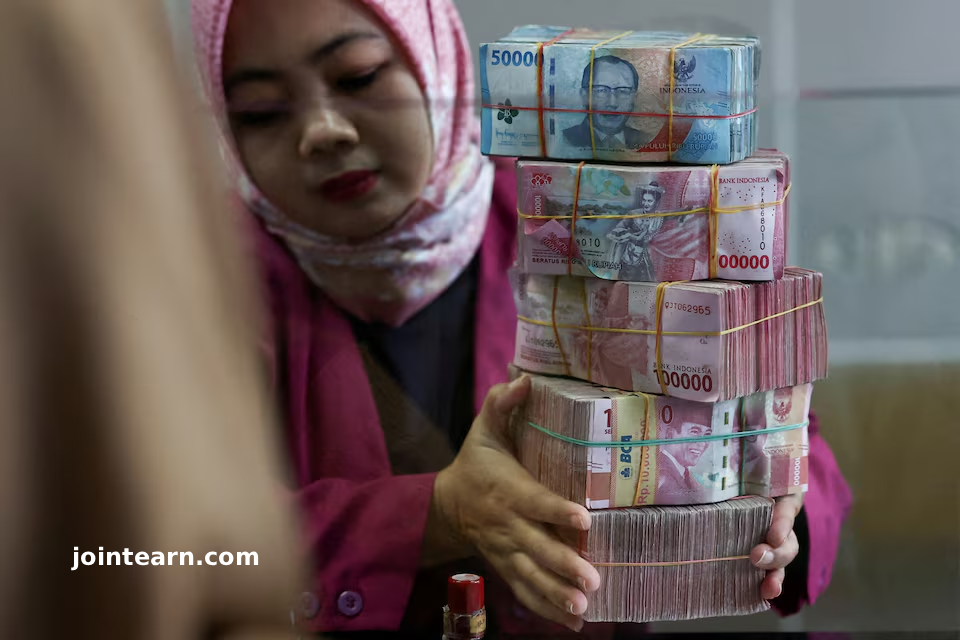
Indonesia’s central bank, Bank Indonesia (BI), has opted to keep its key policy rates unchanged for the third consecutive meeting, signaling a cautious approach amid ongoing global market uncertainties. The decision underscores the bank’s focus on maintaining the stability of the Indonesian rupiah while assessing the impact of previous monetary policy adjustments.
Key Monetary Policy Decisions
At its latest meeting, Bank Indonesia maintained the:
- 7-day reverse repurchase rate at 4.75%,
- Overnight deposit rate at 3.75%, and
- Lending facility rate at 5.50%.
This decision was in line with expectations of the majority of economists, with 18 out of 31 polled by Reuters forecasting a hold. The remaining analysts anticipated a resumption of the rate-cut cycle.
Between September 2024 and September 2025, Bank Indonesia reduced its main policy rates by a total of 150 basis points to stimulate economic growth in Southeast Asia’s largest economy.
Focus on Rupiah Stability
Governor Perry Warjiyo emphasized in an online press conference that the rate decision aims to support the rupiah amid heightened global market volatility. He added that the central bank continues to monitor economic conditions carefully to determine whether there is scope for further monetary easing.
The Indonesian rupiah has been among the weakest currencies in emerging Asia against the U.S. dollar this year. To strengthen the currency, the government plans to modify export earnings retention rules, requiring exporters to keep more of their U.S. dollars onshore, starting next year. This strategy is designed to increase domestic dollar liquidity and help stabilize the rupiah.
Economic Outlook and Inflation Targets
Bank Indonesia forecasts economic growth of 4.9% to 5.7% in 2026, slightly above the projected 4.7% to 5.5% growth for 2025.
Inflation has remained within the central bank’s target range of 1.5% to 3.5%, with November figures reported at 2.72%. BI expects inflation to remain anchored within this range next year, allowing for policy stability while providing flexibility to adjust if economic conditions change.
Implications for Investors and Markets
The decision to maintain policy rates suggests a balanced monetary strategy by Bank Indonesia, aiming to:
- Support economic growth without destabilizing the currency,
- Manage inflation expectations, and
- Provide market certainty amid global financial volatility.
Analysts note that BI’s cautious stance is likely to reassure international investors and help maintain stability in both foreign exchange and capital markets in Indonesia.
Conclusion
Bank Indonesia’s decision to keep its policy rates steady reflects a prudent approach to monetary policy, balancing the need for economic growth with currency stability. The central bank’s continued monitoring of inflation and the rupiah’s performance indicates readiness to act if conditions warrant, signaling strong institutional credibility in Indonesia’s financial system.


Leave a Reply