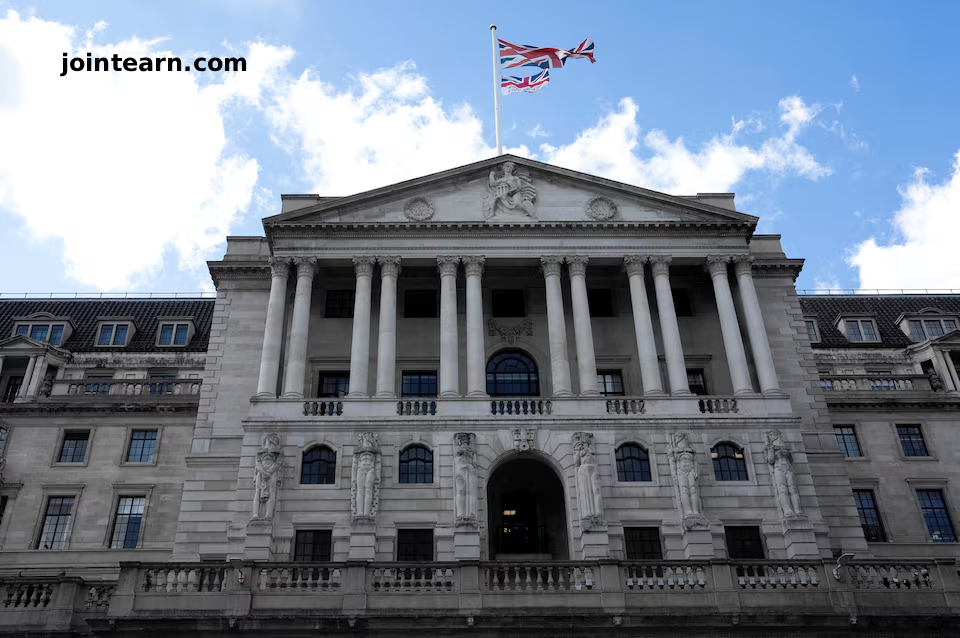
London, November 18, 2025 – The Bank of England (BoE) is preparing to introduce targeted adjustments to Britain’s bank ring-fencing rules, while resisting a full-scale reform demanded by lenders, according to sources familiar with the matter. The move reflects the central bank’s focus on maintaining core protections for depositors and taxpayers amid a wider government review.
Ring-fencing rules, a critical component of post-financial crisis regulation, require UK banks with more than £35 billion ($46.1 billion) in retail deposits to separate their retail banking operations from other activities, including investment banking. This structure was designed to protect the financial system and prevent taxpayer exposure during crises.
Government Push for Ring-Fencing Reform
In July 2025, UK Finance Minister Rachel Reeves committed to “meaningful” reform of the regime, part of an effort to reduce regulatory red tape and boost economic growth. The rules currently apply to major UK lenders including Lloyds (LLOY.L), NatWest (NWG.L), HSBC (HSBA.L), Barclays (BARC.L), and Santander UK (SAN.MC). Critics argue that ring-fencing limits the competitiveness of British banks internationally and restricts capital that could otherwise be deployed for lending.
Several banks have lobbied the finance ministry to allow some of the £35 billion threshold, which non-ring-fenced banks can use freely, to be accessible for other activities such as investment banking. However, officials at the Prudential Regulation Authority (PRA), the BoE’s regulatory arm, oppose such changes, describing them as equivalent to “taking down the fence,” according to insiders who requested anonymity.
BoE Open to Smaller Adjustments
While rejecting major reforms, the BoE is reportedly open to incremental changes. These include allowing essential shared back-office functions between the ring-fenced and non-ring-fenced units and permitting activities like vanilla derivatives within the ring-fenced entity. Adjusting the rules on shared services is simpler, as it falls within the regulator’s own rule book.
PRA CEO Sam Woods, who helped design the ring-fencing framework that came into force in 2019, is expected to lead the presentation of proposed reforms in collaboration with the finance ministry in early 2026. Woods’ second five-year term concludes in June 2026.
Industry Perspectives
Some commercial bank executives acknowledge that the existing rules were created before the rapid growth of international banks’ UK retail arms, such as JP Morgan’s Chase Bank, which currently falls below the ring-fencing threshold. One official described access to the £35 billion threshold as the “next best thing” to fully eliminating the ring-fencing regime.
Barclays stands out as the only major British lender publicly supporting the current structure, having already developed separate service divisions for its retail and investment banking operations.
Regulatory Balance: Stability vs. Flexibility
BoE Governor Andrew Bailey has emphasized that while reducing regulatory burdens is important, the central bank cannot compromise on basic financial stability. The ring-fencing rules remain a cornerstone of the UK’s post-crisis regulatory framework, ensuring that retail depositors are shielded from potential losses in more volatile investment banking activities.
The PRA’s proposed reforms are expected to strike a balance between easing operational constraints for banks and maintaining essential protections that safeguard depositors and taxpayers.


Leave a Reply