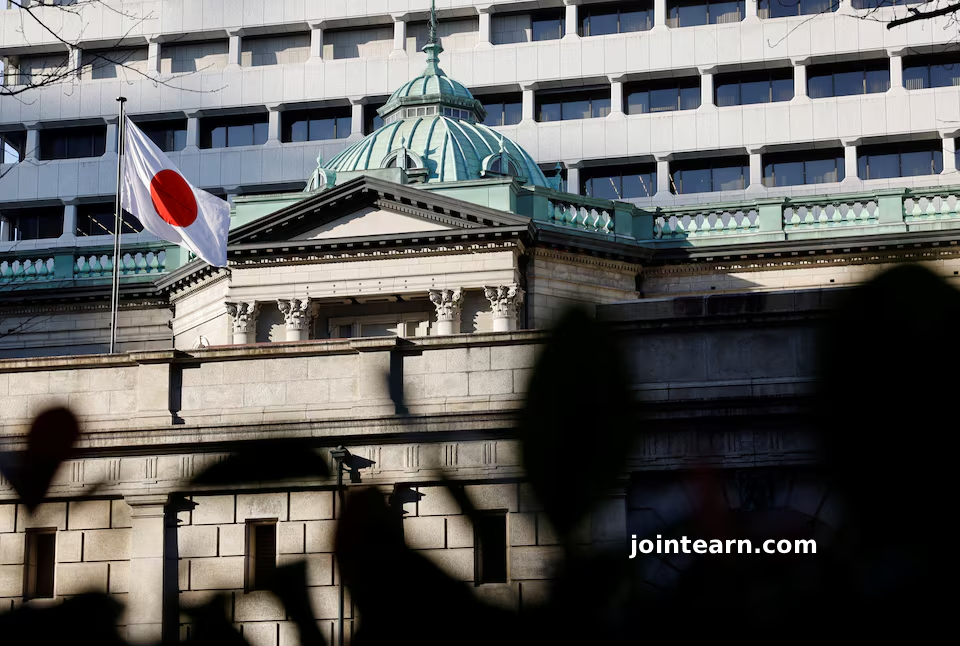
In a landmark move, the Bank of Japan (BOJ) raised interest rates to 0.75%, the highest level in three decades, signaling its readiness for further rate increases as the country transitions away from decades of near-zero borrowing costs and massive monetary stimulus. The decision reflects the BOJ’s growing confidence that Japan can sustainably achieve its 2% inflation target while maintaining economic growth.
BOJ Rate Hike: Key Details
The short-term policy rate was increased from 0.5% to 0.75% in a unanimous vote by the central bank’s board members. This marks the first rate hike since January 2025 and the highest borrowing costs since 1995, when Japan struggled with the aftermath of its asset bubble collapse and long-term deflation.
The BOJ emphasized that real interest rates remain low, giving the central bank room to continue gradual tightening if economic and price forecasts materialize. The statement noted:
“Judging from recent data and surveys, there is a high chance the mechanism in which wages and inflation rise moderately in tandem will be sustained.”
Governor Kazuo Ueda added that future rate hikes will depend on evolving economic conditions, price developments, and financial market trends.
Inflation and Wage Growth Outlook
Core consumer inflation in Japan reached 3.0% in November 2025, exceeding the BOJ’s 2% target for nearly four consecutive years. Rising food prices and a weaker yen, which increases import costs, have contributed to sustained inflationary pressures.
The BOJ also removed language from previous statements suggesting that U.S. tariffs could stagnate growth and inflation, signaling greater confidence in Japan’s economic resilience. Recent surveys indicate that business confidence has reached a four-year high, with many firms planning to offer increased wages next year, further supporting the central bank’s optimism.
Market Reaction
The rate hike triggered immediate market responses:
- The yen weakened against major currencies.
- The Nikkei stock average rose in response to the central bank’s policy shift.
- The 10-year government bond yield surged to a 26-year high, reflecting investor expectations for further tightening.
Dissenting Opinions Within BOJ
While the rate hike was unanimous, some hawkish board members expressed differing views on inflation. Hajime Takata argued that underlying inflation has already reached target levels, while Naoki Tamura predicted the target would be achieved by the middle of the three-year projection period. The central bank reiterated that firms are likely to continue raising wages steadily, justifying further monetary tightening.
Implications for Japan’s Economy
Friday’s hike brings interest rates closer to the neutral range of 1% to 2.5%, which is considered neither stimulative nor restrictive to economic growth. Analysts expect that gradual increases will continue as the BOJ balances its dual goals of containing inflation while sustaining economic momentum.
The move follows the BOJ’s ending of a decade-long massive stimulus program last year, and prior rate increases earlier in 2025, from 0.25% to 0.5% in January, aimed at achieving durable inflation.
With strong wage growth, steady inflation, and resilience to international trade pressures, the BOJ is signaling a new era of monetary normalization in Japan, potentially reshaping borrowing costs for businesses and households.


Leave a Reply