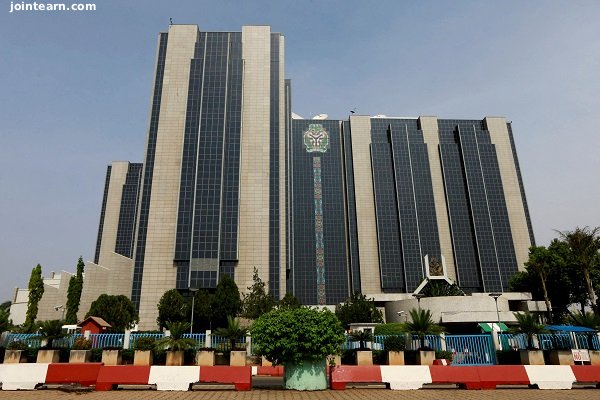
Nigeria’s banking sector is entering 2026 at a critical juncture, poised for stronger institutions, higher foreign reserves, and potentially single-digit inflation, as the country reaps the benefits of sustained economic and financial reforms.
Bank recapitalisation: a landmark initiative
The ongoing bank recapitalisation programme, initiated on April 1, 2024, is set to conclude on March 31, 2026. The exercise requires:
- N500 billion minimum capital for international banks
- N200 billion for national banks
- N50 billion for regional banks
With N4.14 trillion expected to be raised, over 21 banks have already met the new capital thresholds, reflecting the sector’s resilience and depth.
CBN Governor, Olayemi Cardoso, emphasised that stronger governance, transparency, and accountability will underpin the recapitalisation. A dedicated Compliance Department now supervises financial crime, market conduct, corporate governance, and ESG.
A revamped Credit Risk Management System (CRMS) has been deployed, allowing banks and stakeholders to access borrower information and integrate with existing banking systems. This ensures funds raised are prudently managed, reducing the risk of misapplied loans that have previously plagued recapitalisation efforts.
Macro stability: inflation and foreign reserves
Inflation, which peaked at 34.6% in November 2024, has declined steadily to 14.45% in November 2025, restoring real purchasing power and signalling a transition to evidence-based, orthodox monetary policy.
Foreign reserves have risen to $46 billion, sufficient to cover over 10 months of imports, while FX inflows hit $20.98 billion in the first 10 months of 2025—a 70% increase over 2024.
CBN forecasts continued disinflation in 2026, supported by stronger domestic production, improved FX liquidity, and disciplined liquidity management. Price stability is seen as the foundation for sustainable growth and financial sector confidence.
Balance of Payments and external sector gains
The Balance of Payments (BOP) surplus for Q3 2025 reached $4.60 billion, up from a previous deficit, thanks to:
- Current account surplus: $3.42 billion
- Goods account surplus: $4.94 billion (boosted by rising crude and refined petroleum exports)
- Gradual shift from importer to net exporter of petroleum products
Net outflows in services and primary income accounts reflect repatriation of reinvested earnings and diaspora remittance flows, while secondary income remains stable. These trends indicate strengthening external sector fundamentals and investor confidence.
Economic reforms driving recovery
The CBN and fiscal authorities have implemented bold reforms since 2023, including:
- Liberalisation of the foreign exchange market
- End to central bank financing of fiscal deficits
- Fuel subsidy reform
- Improved revenue collection
These measures have increased international reserves, unified exchange rates, cleared a $7 billion FX backlog, and attracted foreign investment inflows. Nigeria also returned successfully to international capital markets, with upgrades from rating agencies boosting confidence.
Outlook for 2026
- Banks are positioned to take on larger risks and support economic growth while maintaining capital adequacy
- Inflation is expected to moderate into the teens, enhancing real incomes
- Foreign reserves are projected to reach $51 billion, supporting exchange rate stability
- The recapitalisation programme will strengthen governance, risk management, and liquidity resilience
Governor Cardoso summarises the outlook:
“Our banking system remains fundamentally sound. With continued reforms, operational discipline, and robust risk management, 2026 will mark a year of consolidation, stability, and sustainable growth for Nigeria’s financial sector.”


Leave a Reply