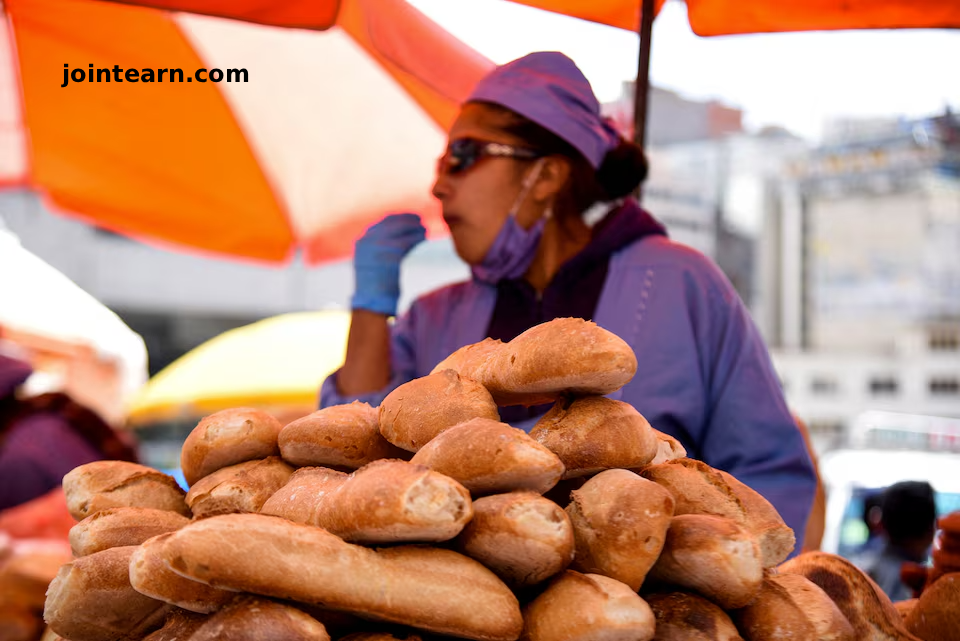
Bolivia is facing growing shortages of its iconic state-subsidized marraqueta bread, creating an early challenge for newly elected President Rodrigo Paz as he navigates the politically sensitive terrain of subsidy reform. With wheat supplies tightening and production costs rising, bakers say they are struggling to keep up with demand—while consumers increasingly feel the impact at bakery counters across La Paz and other major cities.
Bread Shortages Fuel Public Frustration
For more than 17 years, Bolivia’s marraqueta—sold at a fixed price of around seven U.S. cents—has been a symbol of the country’s heavy state involvement in food pricing. But the economic model long promoted by previous socialist governments is now straining under global cost pressures and dwindling supplies.
Bakers report frequent delays in receiving government-imported flour, which Bolivia relies heavily on, as roughly 75% of the country’s wheat comes from abroad, primarily from Argentina.
Customers have also noticed the bread shrinking in size: once about 100 grams, a marraqueta roll now weighs closer to 60 grams, sparking fresh complaints and long lines at neighborhood bakeries.
Bakers Push to Raise Prices After Years of Controls
On Wednesday, Bolivia’s National Confederation of Artisan Bakers (Conapaabol) said it would raise prices to approximately 11 U.S. cents per roll, formally breaking a long-standing price agreement with the previous government.
Baker Roberto Rengel said he still had not received ingredients promised months ago from the state-run supplier.
“The subsidy is killing us,” he said, emphasizing that fixed prices no longer cover operating costs.
Some sellers have abandoned marraquetas entirely in favor of more profitable options such as sarnitas, a cheese-filled bun that provides higher margins. Others have stopped selling bread altogether.
Economic Crisis Limits Government Support
Bolivia is now grappling with one of its worst economic crises in decades, hurt by years of state-led policies, nationalization of key industries, and a loss of foreign investment. Even EMAPA, the state food agency responsible for distributing subsidized flour, halted shipments in September because the government delayed payments to suppliers.
President Paz, who took office on November 8, has promised to gradually reform subsidies on essential goods, transportation, and fuel. However, large-scale changes remain politically risky in a country where many rely on government-supported pricing.
Economy Minister José Gabriel Espinoza said the administration is evaluating reductions in certain subsidies—such as diesel support—but did not offer specifics on food staples like bread.
Experts Warn Reform Will Be Difficult and Politically Sensitive
Bolivian economist Gonzalo Chavez warned that altering the country’s entrenched subsidy system will require both technical expertise and political courage.
“Subsidies distort the market and hide real costs, making people believe cheap bread and cheap fuel are entitlements,” he explained.
Street vendors worry that bread price increases will trigger a broader surge in everyday living costs.
“If bread goes up, everything goes up,” said La Paz vendor Natividad Zabala, reflecting widespread public concern.
As shortages deepen and pressure mounts, President Paz faces a pivotal test: reforming Bolivia’s subsidy-heavy economic model without provoking unrest among citizens long accustomed to state-supported prices.


Leave a Reply