A deadly bomb explosion in eastern Democratic Republic of Congo (DRC) has killed more than 30 people and injured at least 20 others, according to local sources. The explosion occurred amid clashes between the Congolese army (FARDC) and the pro-government militia group Wazalendo, highlighting the fragility of peace in the region despite a recently signed U.S.-brokered agreement.
Clashes Between FARDC and Wazalendo
The incident took place in the town of Sange, South Kivu province, on Sunday evening. Residents and civil society leaders reported that FARDC soldiers returning from the front lines clashed with Wazalendo forces while attempting to reach Uvira. Disagreements over troop movements reportedly escalated into gunfire, culminating in a massive explosion that killed dozens of people.
“This morning, we woke up a little better, but people are still leaving the Sange area,” said Amani Safari, a local resident. Another witness, David Kaserore, described the scene as chaotic: “It’s difficult to distinguish between the enemy and the FARDC, as they are killing all the civilians. We demand that the government end this war. We are tired.”
Many residents fled the area, seeking safety in neighboring Burundi, as fears of further attacks persist.
Renewed Violence Despite U.S.-Backed Peace Deal
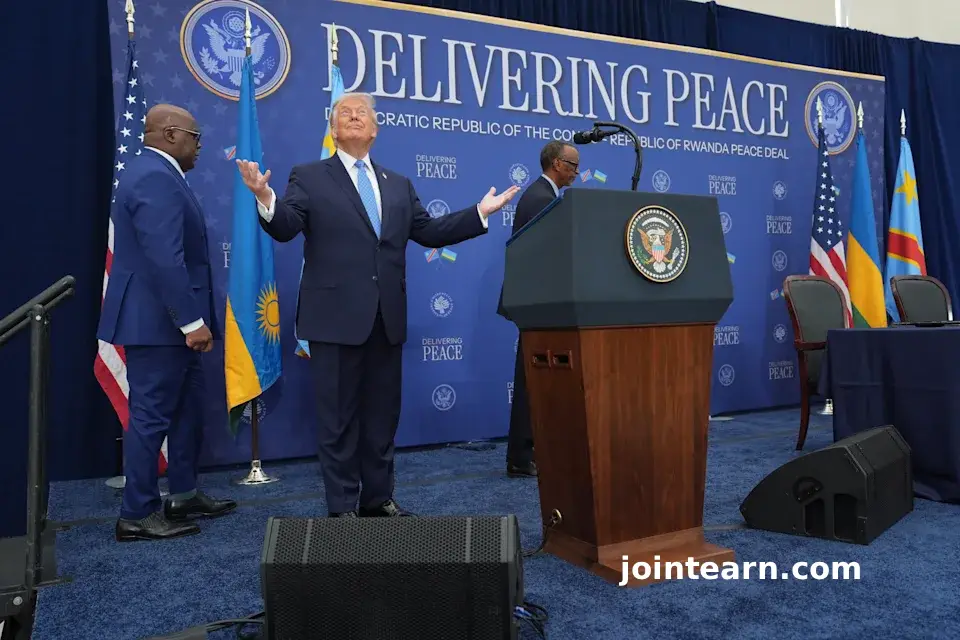
The deadly incident comes just days after a peace agreement was signed in Washington by DRC President Felix Tshisekedi, Rwandan President Paul Kagame, and U.S. President Donald Trump. The deal aimed to end months of fighting between FARDC and the Rwanda-backed M23 militia.
Despite international optimism, clashes have continued across eastern Congo. Tshisekedi accused Rwanda of violating the peace agreement, alleging that Rwandan forces are “organizing the plundering of our natural resources and destabilizing our institutions.” He labeled the bomb explosion in Sange as an “aggression by proxy,” refuting claims that it resulted from internal rebellion.
Burundi’s Foreign Minister Edouard Bizimana also condemned Rwanda, accusing it of a “double game” of signing agreements while simultaneously intensifying attacks on civilians with kamikaze drones. Burundian troops are actively assisting the Congolese army to counter M23’s advances.
Ongoing Humanitarian Crisis
The M23 rebellion and related conflicts have contributed to one of the world’s largest humanitarian crises. More than seven million people have been displaced in eastern Congo due to fighting among over 100 armed groups vying for control over mineral-rich regions.
Earlier this year, M23 captured the key cities of Goma and Bukavu, intensifying the conflict. U.N. experts report that the militia receives support from approximately 4,000 Rwandan troops, raising concerns about regional destabilization.
Regional Security Implications
The escalating violence underscores the challenges of implementing lasting peace in the Great Lakes region. With M23 and FARDC clashes continuing and civilian casualties mounting, both DRC and Burundi are pressing for stronger enforcement of peace agreements. Bizimana warned that repeated attacks on Burundian territory could lead to prosecutions against those responsible.
Observers fear that without effective international intervention, the conflict could spread further, destabilizing neighboring countries and threatening regional security.
Key Takeaways
- Bomb explosion in Sange: More than 30 killed and 20 injured in South Kivu province.
- Army clashes: FARDC and pro-government militia Wazalendo involved in deadly skirmishes.
- Humanitarian crisis: Over seven million displaced due to ongoing conflicts in eastern Congo.
- Peace deal under threat: U.S.-brokered agreement challenged by continued violence and Rwanda’s alleged involvement.
- Regional impact: Burundi assists Congolese forces, warning of further military action if attacks persist.
As eastern Congo continues to experience deadly attacks and mass displacement, the peace process brokered in Washington faces severe challenges, leaving regional stability and civilian safety in jeopardy.


Leave a Reply