Osun State is heading toward a crucial off-cycle governorship election next August, and the political landscape is shifting in ways that could upend its usual APC–PDP (or PDP-aligned) dominance. At the center of this potential disruption is the African Democratic Congress (ADC), energized by former Governor Rauf Aregbesola’s return to state politics. But while Aregbesola brings influence and visibility, the ADC faces internal and structural challenges that will test its ability to compete seriously.
Aregbesola Returns
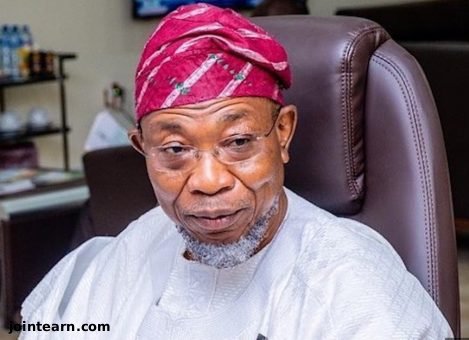
Aregbesola’s entry into the ADC has reignited political activity in Osun. At the party’s launch in Osogbo, he received a warm reception, signaling that his influence remains strong. After two terms as governor and a ministerial stint, Aregbesola’s strained relationship with former Governor Gboyega Oyetola weakened the APC’s cohesion, and his behind-the-scenes role may have contributed to Adeleke’s narrow victory in the last election.
Now, as ADC national secretary, Aregbesola is determined to give the party a foothold in Osun. The party sees this as an opportunity to challenge both the APC and whichever platform Adeleke ultimately chooses, with implications for the Southwest beyond 2027.
Support from key figures like Ataoja of Osogbo, Oba Jimoh Oyetunji Olanipekun, underscores the weight of Aregbesola’s influence, particularly in pivotal areas such as Osogbo, where community leaders and local associations have quietly expressed support for the ADC.
The ADC Primary and Candidate Dynamics
The ADC primary, scheduled for Wednesday, December 10, is now the focus of attention. Several aspirants are in the race, including:
- Dr. Najeem Salaam, former Speaker of the Osun State House of Assembly, widely viewed as the consensus candidate.
- Senator Adelere Adeyemi Oriolowo, a prominent figure with statewide recognition.
- Alhaji Moshood Adeoti, former Secretary to the State Government under Aregbesola, who recently stepped back from politics.
Sources suggest Salaam emerged as the compromise choice during informal consultations, seen as acceptable to most factions. Still, the primary outcome will be decisive in determining whether the ADC can unify around a strong candidate capable of challenging the established parties.
Strengths of the ADC
- Aregbesola’s grassroots network – loyalty from youth, artisans, traders, and religious groups could translate into substantial mobilization.
- Voter appetite for alternatives – APC fatigue and Adeleke’s uncertain platform create openings for a credible third force.
- Potential candidate appeal – a strong ADC flagbearer could make the race competitive, turning Osun into a three-way contest.
Challenges Facing the ADC
- Internal cohesion – resignations and factional disputes, including Adeoti’s departure, expose potential fractures.
- Limited resources – the party’s financial and logistical capacity is modest compared to APC and Adeleke’s eventual platform.
- Perception issues – some voters still view the ADC as a refuge for displaced politicians rather than a party ready to govern.
- Candidate dependency – success is heavily tied to Aregbesola; any misstep could erode momentum.
Key Factors for Success
The ADC’s ability to disrupt the two-horse race depends on:
- Aregbesola’s ground game – effective mobilization of his loyal networks.
- Candidate acceptance – a flagbearer capable of attracting broad voter support.
- Fragmentation of the anti-APC vote – if Adeleke fails to consolidate, ADC could benefit.
- Post-primary unity – internal discipline is crucial to sustain momentum.
Conclusion
The ADC enters the Osun race with ambition and a real opportunity created by APC fatigue and Adeleke’s platform uncertainty. Aregbesola brings visibility, structure, and grassroots reach, but victory is not guaranteed. Even if the party does not win, a strong performance could reshape voter loyalties and establish the ADC as a significant force in the state’s politics.
Ultimately, this election is not just about who governs Osun—it is a test of whether a once-overlooked party can challenge entrenched powers and redefine the state’s political identity.


Leave a Reply