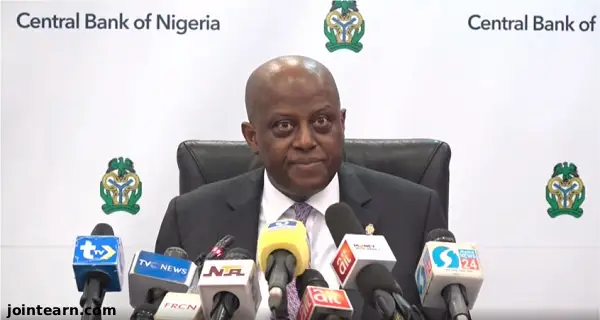
The Central Bank of Nigeria (CBN) has decided to maintain its Monetary Policy Rate (MPR) at 27%, following the latest Monetary Policy Committee (MPC) meeting in Abuja. Governor Olayemi Cardoso said the decision aims to consolidate progress in moderating inflation and stabilising the financial system.
All 12 MPC members were present, with the majority supporting the retention of the rate while adjusting the standing facility corridor to +50/-450 basis points. The committee also maintained:
- Cash Reserve Requirement (CRR) for deposit money banks at 45%
- CRR for merchant banks at 16%
- 75% CRR on non-TSA public sector deposits
- Liquidity ratio at 30%
Cardoso noted that inflation has slowed for the seventh consecutive month, aided by sustained monetary tightening, a stable exchange rate, increased capital inflows, and improved food supply. He cautioned, however, that inflation remains high, with headline inflation still in double digits.
“Maintaining current policy ensures previous rate hikes fully transmit to the real economy, further easing prices,” he explained, highlighting the robust external sector, including a $46.7 billion external reserve—enough to cover about 10 months of imports.
The governor credited improved reserves to rising non-oil exports, higher oil production, increased remittances, and growing portfolio investments. He also emphasized Nigeria’s strengthened global standing, noting the country’s recent removal from the FATF grey list and the positive impact on correspondent banking relationships.
Cardoso reiterated that the CBN has shifted from direct lending interventions to a catalyst role, supporting development finance through market-driven channels. He stressed that transparency and consistency in the foreign exchange market have restored confidence, with daily FX turnover averaging $500 million without CBN intervention.
Looking ahead, the MPC expects continued disinflation, driven by previous policy measures, stability in the foreign exchange market, and increased food supply from the harvest season.
Commenting on the development, Dr. Samson Galadima Simon, Chief Economist at ARKK Economics, said while inflation has decelerated—especially food inflation, which fell from 26.08% in January to 13.12% in October—core inflation remains sticky at 18.67%, indicating more work is needed. He agreed that holding rates is prudent to avoid premature cuts that could hamper growth and supply-side recovery.


Leave a Reply