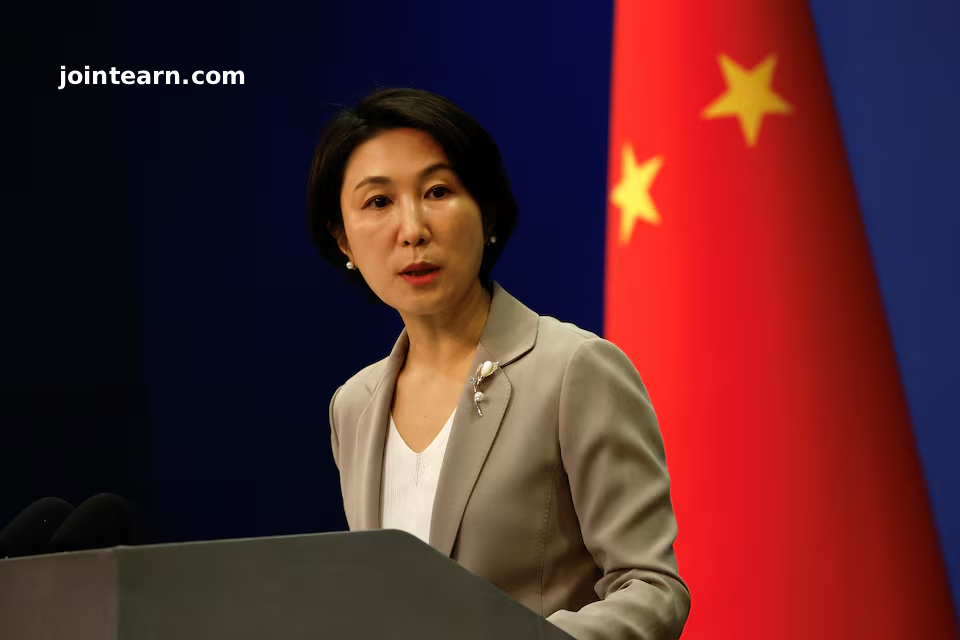
China has sharply criticized Japan’s plan to deploy missiles on Yonaguni Island, located near Taiwan, calling it a deliberate attempt to “create regional tension and provoke military confrontation.” The dispute highlights escalating tensions in East Asia amid concerns over Taiwan’s security and rising military posturing by both nations.
Background of the Dispute
The controversy stems from comments by Japanese Prime Minister Sanae Takaichi, who warned that a hypothetical Chinese attack on democratically governed Taiwan could trigger a military response from Tokyo. In response, Japan’s Defense Minister Shinjiro Koizumi confirmed that plans are “steadily moving forward” to deploy a medium-range surface-to-air missile unit at a military base on Yonaguni, an island approximately 110 km (68 miles) off Taiwan’s east coast.
China’s Strong Response
Chinese foreign ministry spokesperson Mao Ning described Japan’s actions as a dangerous escalation:
“Right-wing forces in Japan are leading Japan and the region towards disaster. China is determined and capable of safeguarding its national territorial sovereignty.”
State media in Beijing has further intensified rhetoric, including bans on Japanese seafood imports, a halt to Japanese movie releases, and advisories against Chinese citizens traveling to Japan.
Military Posturing and Propaganda
China has showcased its military capabilities through a series of fiery social media videos released by the People’s Liberation Army (PLA). Highlights include:
- Footage of intercontinental ballistic missiles capable of carrying nuclear warheads
- Soldiers preparing for combat while reciting provocative slogans
- Simulated attacks on targets with artillery, warships, and aircraft
- Music videos titled “If war breaks out today, this is my response!”, reflecting high-alert messaging
The PLA has also warned of a “crushing” military defeat for Japan if it intervenes over Taiwan. These displays underscore China’s willingness to escalate military pressure in the Taiwan Strait region.
Japan and Taiwan’s Perspective
Japan asserts that the missile deployment is defensive, aimed at protecting Yonaguni and deterring potential threats. Koizumi stated:
“Having this unit in place will actually lower the chances of an armed attack against our country.”
Taiwan has publicly supported Japan’s sovereign right to protect its territory. Deputy Foreign Minister Francois Wu noted:
“Japan’s strengthening of its military facilities is helpful to maintaining security in the Taiwan Strait and aligns with our national interests. Japan has no territorial designs or hostility toward Taiwan.”
Strategic Implications
The missile deployment and subsequent Chinese reaction highlight several key issues:
- Rising China-Japan tensions in the Taiwan Strait region
- The militarization of islands near Taiwan, increasing risk of regional conflict
- Heightened geopolitical stakes for U.S.-China-Japan relations
- Taiwan’s role as a flashpoint for East Asian security and defense policy
Analysts warn that the escalating rhetoric and military demonstrations could increase the risk of miscalculation and destabilize an already sensitive regional security environment.
Conclusion
China’s condemnation of Japan’s missile deployment on Yonaguni Island underscores the fragile balance in East Asia, where territorial claims, military posturing, and diplomatic friction converge. With Taiwan at the center of this dispute, the standoff reflects the broader challenge of maintaining peace in the Taiwan Strait while addressing sovereignty claims and national defense concerns.


Leave a Reply