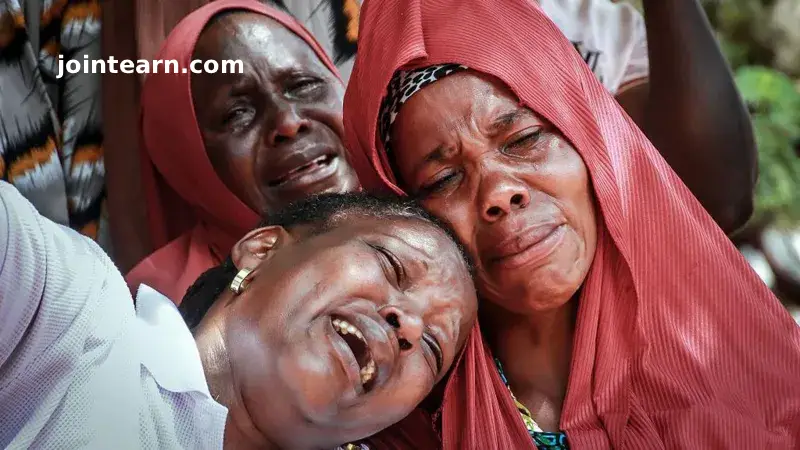
The year 2025 has been one of significant political upheaval in Africa, marked by violent protests, controversial elections, and a surge in military takeovers. From the deadly unrest in Tanzania to coups in West Africa and the Indian Ocean island of Madagascar, these events illustrate the ongoing challenges facing democratic governance across the continent.
Tanzania Election Violence Shocks the Continent
In October 2025, Tanzania experienced violent unrest following national elections. Citizens protesting what they claimed were rigged results were met with lethal force by police, with multiple demonstrators killed. President Samia Suluhu Hassan won with an overwhelming 98% of the vote, but opposition candidates were either imprisoned or barred from running.
The election sparked criticism from regional and continental bodies and highlighted the growing disconnect between governments and their citizens. Analysts warn that Tanzania’s decline in democratic practices is emblematic of wider governance challenges across Africa.
Political Shifts and Democratic Setbacks
Despite the turbulence, some African nations saw peaceful transitions of power in 2025.
- In Malawi, former president Peter Mutharika returned to office after a period in opposition.
- In Seychelles, the long-term ruling party, United Seychelles, regained power after losing five years prior.
- South Africa’s African National Congress lost its overall majority for the first time since 1994, entering a power-sharing agreement with the opposition.
- Senegal saw a relatively unknown candidate elected president after court interventions and protests prevented a presidential extension.
While these examples represent democratic successes, analysts note that military consolidation and authoritarian tendencies are increasingly threatening governance in other regions.
Military Takeovers in West Africa
West Africa’s Sahel region has witnessed several coups, with countries like Mali, Niger, and Burkina Faso breaking from the regional bloc Ecowas to form a new alliance of military-led governments. These developments demonstrate a worrying trend of military influence undermining democratic structures.
The Guinea-Bissau coup, the eighth successful military takeover on the continent in 2025, further underscores the fragility of democratic governance in the region. An attempted coup in Benin, however, was swiftly countered by Ecowas, signaling potential for stronger regional defense of democracy.
Youth Protests and Demographic Pressures
Africa’s youthful population is increasingly demanding a voice in governance. In countries like Cameroon and Tanzania, young citizens have led demonstrations to protest perceived political unfairness and poor service delivery.
- In Cameroon, 92-year-old President Paul Biya consolidated power for an eighth term despite protests.
- In Madagascar, youth-led demonstrations forced President Andry Rajoelina to sack his cabinet before he was ultimately deposed in a coup, with former officer Michael Randrianirina installed as interim president.
Analysts emphasize that youth engagement and dissatisfaction are critical indicators of political stability. When traditional channels like lobbying, petitions, and elections fail, protests often become the primary mechanism for civic action.
Socioeconomic Factors Driving Unrest
Rising costs of living, inflation, and limited access to basic services have fueled widespread dissatisfaction. According to Mo Ibrahim’s governance report, Africa’s progress on measures such as security, political participation, and public services has stalled compared to the decade leading to 2022.
Experts note that governments slow to respond to citizens’ needs risk further unrest, particularly among younger generations who increasingly use social media and digital platforms to mobilize and express grievances.
The Role of Global Politics
African governments are also taking advantage of shifting geopolitics. With Western nations increasingly focused on crises elsewhere, governments have more leeway to pursue authoritarian policies without fear of international pressure. Countries now have alternative partnerships with global powers like China and Russia, allowing for more independent, sometimes non-democratic, policy decisions.
Outlook for 2026 and Beyond
With upcoming elections in Uganda and continued youth activism, analysts believe 2026 could be a pivotal year for African democracy. Experts argue that governments which listen to their citizens, invest in youth, and respond to demands quickly are more likely to maintain legitimacy and stability.
However, the persistence of coups, authoritarian consolidation, and socioeconomic pressures suggests that Africa’s democratic future remains uncertain. The balance between citizen demands, military influence, and government responsiveness will likely define the continent’s political trajectory in the coming years.


Leave a Reply