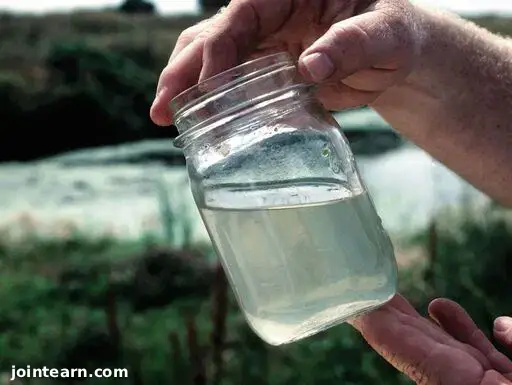
The Nigeria Hydrological Services Agency (NiHSA) has warned of dangerous water contamination in Lagos, Kogi, and Kebbi States, following recent floods that have heightened the risk of waterborne diseases such as cholera, typhoid, and hepatitis.
NiHSA Director-General Umar Mohammed, speaking at a press briefing in Abuja, explained that flooding often introduces heavy metals, microbial pathogens, and other pollutants into rivers, wells, streams, and boreholes. He said the agency’s recent assessments in the three states revealed alarming contamination levels:
- Lagos: Groundwater samples showed high levels of nitrite, fluoride, lead, and cadmium, alongside microbial contamination. These pollutants can cause neurological issues, kidney damage, bone and dental deformities, and conditions like blue-baby syndrome. Factors contributing to the contamination include industrial discharge, sewage infiltration, waste leaching, and aging plumbing systems.
- Kogi: Tests detected excessive lead levels (0.12–0.56 mg/L) and microbial pathogens including E. coli, Streptococcus, and Salmonella, posing risks of poisoning, cognitive impairment, and waterborne illnesses.
- Kebbi: Well water in several local government areas contained high arsenic concentrations (0.75–4 mg/L) and microbial contamination, which can cause arsenicosis, liver damage, and severe intestinal infections.
Mohammed emphasized the urgent need for coordinated action at the state and federal levels to reduce contamination, strengthen public awareness, and ensure safe water access for affected communities.
He highlighted NiHSA’s ongoing efforts, including the Annual Flood and Drought Outlooks, Water Quality Updates, and Flood Assessment Reports, which guide government planning, emergency responses, and community preparedness. “Our work provides actionable information to help governments and residents act before disasters strike,” he said.
The agency urged Nigerians to heed its guidance and collaborate with authorities to improve safety, preparedness, and resilience against water-related emergencies, particularly in a country facing both drought and flood challenges.


Leave a Reply