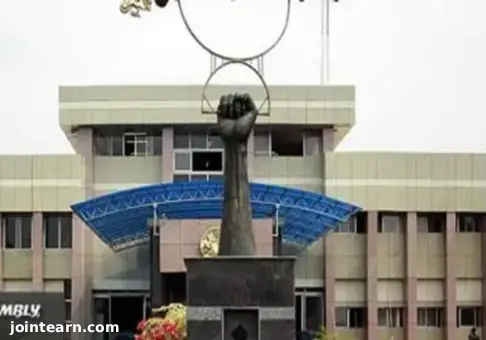
The Delta State House of Assembly has issued a strong call for clearer, measurable, and results-oriented strategies from Ministries, Departments, and Agencies (MDAs) as preparations intensify for the 2026 fiscal year.
The demand was made on Thursday in Asaba during the 2026 budget defence session of the House Committee on Housing, Women Affairs, Girl Child Development, and Humanitarian Support Services, chaired by Mrs. Bridget Anyafulu.
Anyafulu cautioned that routine budget presentations without actionable frameworks would no longer be accepted. She stressed that while Governor Sheriff Oborevwori’s ‘MORE Agenda’ prioritises housing expansion, social protection, and humanitarian support, the 2026 proposals must clearly demonstrate how public spending will translate into tangible improvements in the lives of Delta residents.
“Good intentions are no longer enough,” she said. “Our people must feel the impact of every naira allocated. That is the essence of the MORE Agenda.”
Committee members echoed this position, urging MDAs to embrace innovative, data-driven strategies capable of addressing urgent challenges—from affordable housing gaps to rising humanitarian needs across both rural and urban communities.
MDAs Outline 2026 Priorities
Commissioners Mrs. Pat Ajudua (Women Affairs), Ms. Orode Uduaghan (Humanitarian Support Services), and Mr. Godknows Angele (Housing) presented a series of initiatives in their budget proposals. These include:
- Expanded welfare programmes for women and vulnerable groups
- Strengthened emergency-response systems
- Increased investment in affordable housing projects across all senatorial districts
They argued that the progress recorded in 2025 could only be accelerated with stable funding and continued legislative support. The commissioners also called for tighter executive–legislative collaboration to remove bureaucratic delays that hinder project delivery.
Assembly Flags Gaps in Impact
Despite reported achievements—such as improved community-based support systems and ongoing housing upgrades—lawmakers noted persistent gaps between projected outcomes and real-world impact.
They highlighted rural areas where essential services remain inadequate and where intended beneficiaries of social welfare programmes have yet to experience meaningful relief.
The Assembly emphasized that the goal for 2026 is not merely to sustain existing programmes but to transform them into high-impact, measurable interventions that directly improve living conditions across the state.


Leave a Reply