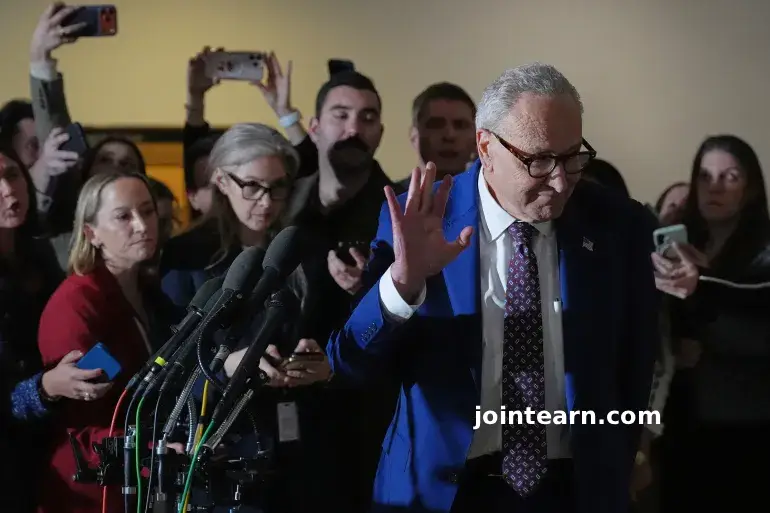
Washington, DC – The recent US military abduction of Venezuelan leader Nicolas Maduro has reignited a longstanding debate in the United States: the role of Congress in overseeing presidential military actions. Senate Democrats, led by Chuck Schumer, pledged to introduce a war powers resolution aimed at reining in President Donald Trump’s authority, highlighting growing concerns over presidential overreach.
Trump’s Unilateral Military Actions Under Scrutiny
Since Trump’s second term began in 2025, Congress has repeatedly debated measures to require legislative approval for US military strikes abroad. The Maduro operation marks one of the clearest examples of a president acting unilaterally, according to David Janovsky, acting director of the Constitution Project at the Project on Government Oversight.
Janovsky stated:
“Under the US Constitution, Congress alone has the authority to authorize military action. The Venezuela operation is in direct contravention of the UN Charter, and no previous justifications apply here. It is particularly brazen.”
Historical Context: Congress and War Powers
The US Constitution grants Congress the sole power to declare war, a power largely sidelined since World War II. Historically, Congress has passed Authorizations for Use of Military Force (AUMFs) to authorize conflicts, including the invasions of Iraq and Afghanistan.
- No AUMFs exist for military actions in Venezuela.
- Congress can pass war powers resolutions to require presidential approval for military operations, creating legal grounds to challenge unilateral action.
- Such resolutions require bipartisan support and a two-thirds majority to override a veto, making passage difficult given current Republican majorities.
Previous Efforts and Legislative Challenges
Prior to the Maduro abduction, Congress voted on multiple resolutions aiming to limit Trump’s military campaign against Venezuela:
- A House resolution requiring congressional approval for land-based strikes failed 211–213.
- A Senate resolution requiring approval before further operations also failed 51–49, with minimal Republican support.
Senators Tim Kaine and Chris Murphy emphasized that the Maduro abduction represents a pivotal moment for Congress to assert its constitutional oversight. Kaine warned:
“It’s time for Congress to get its a* off the couch and do what it’s supposed to do.”*
The Trump Administration’s Position
The Trump administration insists the Maduro operation was a law enforcement action, not a war. Trump has repeatedly denied the need for congressional approval while warning of a “second wave” of military actions, potentially targeting interim Venezuelan leader Delcy Rodriguez.
Additionally, the US continues strikes against alleged drug-smuggling boats near Venezuela, with military assets remaining deployed in the region. Trump expressed confidence in congressional backing despite the unresolved legal and constitutional questions.
Political and Constitutional Implications
Experts warn that Congress’s failure to act reinforces a decades-long trend of relinquishing oversight authority, effectively empowering the presidency to conduct military operations without legislative checks.
Janovsky explained:
“Continued congressional inaction does nothing but empower presidents to act however they want, removing the American people further from these critical decisions.”
The Venezuelan operation is therefore not only a foreign policy flashpoint but also a constitutional test of Congress’s war powers and the system of checks and balances in the United States.


Leave a Reply