The European Central Bank (ECB) reported on Friday that euro zone wage growth is expected to gradually slow and normalize in the coming year, supporting the ECB’s projection that inflation will remain close to its 2% target over the medium term. The findings were highlighted in the ECB’s updated wage tracker, which monitors active collective bargaining agreements across the euro area.
Key Findings from the ECB Wage Tracker
The wage tracker indicates that, after adjusting for one-off payments, negotiated wage growth stood at 3.2% in 2025 and is projected to ease to 2.3% in 2026. Without smoothing for one-off payments, the tracker shows growth of 3.0% in 2025 and 2.7% in 2026, reflecting the effects of temporary bonuses and exceptional payments.
The report suggests that wage pressures, which have contributed to higher inflation in recent years, are likely to moderate gradually, signaling a move toward more stable labor cost growth. This trend aligns with the ECB’s broader outlook that price stability will be maintained across the euro zone.
Implications for Inflation and Monetary Policy
The ECB’s wage tracker serves as a critical tool for understanding underlying wage dynamics and their impact on inflation. Slower wage growth could ease inflationary pressures, giving the ECB flexibility in its ongoing monetary policy decisions.
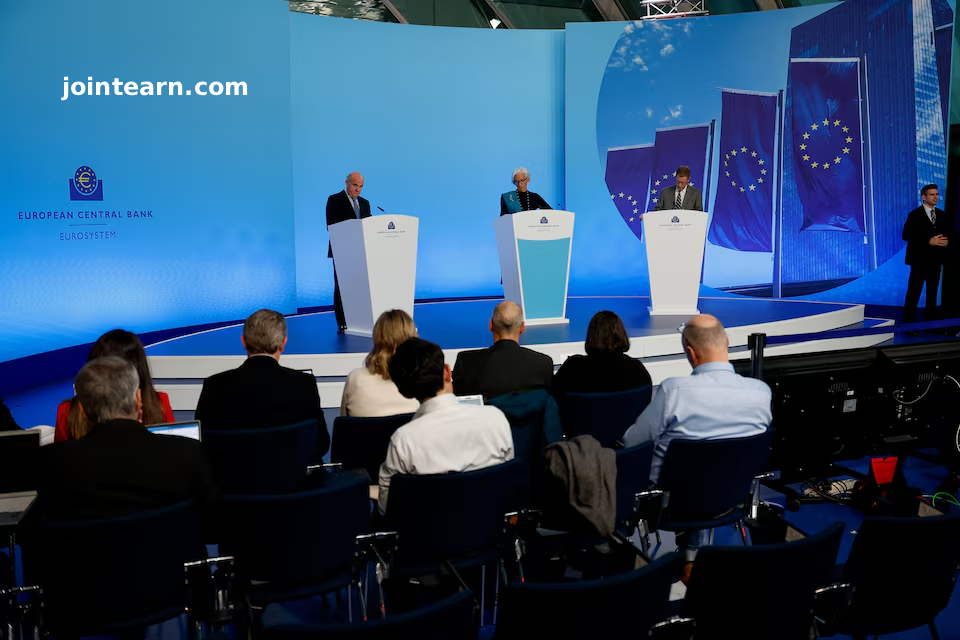
ECB President Christine Lagarde emphasized the importance of monitoring negotiated wages as part of the central bank’s strategy to achieve price stability. Gradual normalization of wage growth is seen as a positive signal that the euro zone economy can maintain sustainable inflation near the 2% target without excessive overheating.
Broader Economic Context
The euro zone has experienced elevated inflation over the past years, partly due to rising wages, supply chain disruptions, and energy price volatility. The ECB’s updated wage tracker provides policymakers with a data-driven assessment of labor market trends, enabling more targeted decisions on interest rates and monetary tightening measures.
By signaling that wage growth is likely to moderate in 2026, the ECB indicates that the euro area may achieve a balance between economic growth and price stability, supporting broader financial stability in the region.


Leave a Reply