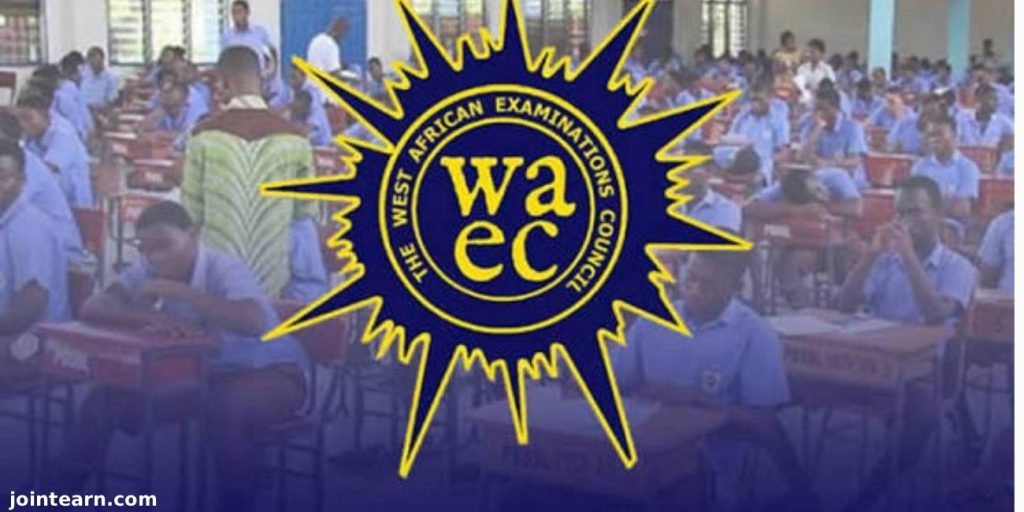
The Education Rights Campaign (ERC) has cautioned the West African Examinations Council (WAEC) against implementing the new curriculum in the 2026 West African Senior School Certificate Examination (WASSCE), arguing that it would unfairly disadvantage current SS3 students.
In a statement on Wednesday, ERC’s National Mobilisation Officer, Adaramoye Michael Lenin, said WAEC’s directive—communicated in a November 21, 2025 letter to school principals—would compel many candidates to register for at least two subjects they have not studied since SS1, simply to meet the minimum eight-subject requirement.
“It takes at least three years of SSS 1–3 to prepare students for WASSCE. How does WAEC expect students to be prepared for the exam in just two terms?” Lenin asked.
While acknowledging that curriculum reviews are a normal part of educational development, ERC criticized WAEC’s “fire-brigade approach” and urged a phased transition. The group argued that the old curriculum should remain in effect until 2027, with the first cohort under the new system—current SS1 students—sitting the restructured exam in 2028.
ERC noted that this timeline aligns with the Nigerian Educational Research and Development Council (NERDC), which in a September 25, 2025 statement specified that implementation commences at the start of each three-year learning cycle, including SSS1.
“Therefore, it is puzzling why WAEC is insisting on implementing the new curriculum for the current SSS3 students,” the group said.
The organization highlighted strong opposition from parents, educators, and civil society, describing the plan as “ill-conceived, unfair, and unjust.” ERC called for a nationwide campaign to pressure WAEC and the Federal Ministry of Education to suspend the rollout immediately.
The controversy stems from the 2025–2026 curriculum restructuring, which merged some subjects and introduced interdisciplinary areas to modernize learning and reduce overload. However, stakeholders have warned that a rushed implementation could disrupt learning outcomes, especially given delayed delivery of teaching materials, prolonged school closures, and insecurity in parts of the country, potentially leading to mass failure in the 2026 WASSCE.


Leave a Reply