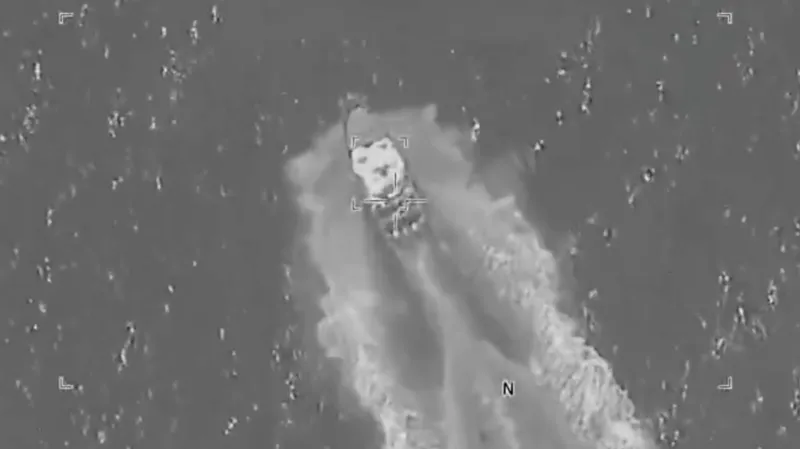
The US military has conducted strikes on three vessels in the Pacific Ocean, killing eight people in its ongoing campaign against alleged drug trafficking. According to US Southern Command, the vessels were traveling along “known narco-trafficking routes” and were involved in transporting narcotics to the United States.
These strikes are part of President Donald Trump’s intensified efforts to target organizations he accuses of bringing drugs into the US, including Venezuelan-linked groups such as the Cartel of the Suns and Tren de Aragua.
Scope of the US Operations
In recent months, the US has targeted more than 20 vessels in the Caribbean and Pacific, killing at least 90 people. The strikes have involved a combination of air and naval operations and are closely tied to Trump’s broader strategy of countering narco-terrorism and isolating Venezuelan President Nicolás Maduro.
The first attack on 2 September, known as a “double-tap” strike, drew significant attention because survivors of the initial strike were reportedly killed in the second strike. Legal experts argue that the follow-up attack may constitute extrajudicial killings under international law.
Legal Controversies Surrounding the Strikes
Several international law specialists have raised concerns about the legality of the operations:
- Some experts claim the strikes could violate laws governing armed conflict, particularly when targeting vessels in international waters.
- A former International Criminal Court prosecutor told the BBC that the broader US military campaign could be viewed as a planned, systematic attack against civilians in peacetime.
In response, the White House maintains that the operations were carried out in accordance with the law of armed conflict, emphasizing the need to protect the US from cartels “trying to bring poison to our shores.”
Congressional Oversight and Video Evidence
US Defence Secretary Pete Hegseth and Secretary of State Marco Rubio are scheduled to brief members of Congress, showing video footage of the controversial September 2 strikes to the armed services committees of both the House and Senate.
Hegseth has faced pressure to release the full video publicly. Lawmakers from both parties have expressed concerns over transparency, the legality of the “double-tap” strike, and the potential loss of civilian lives.
Venezuela, Oil, and Regional Tensions
The strikes are part of a larger US effort to pressure Venezuela. The Trump administration has:
- Designated Venezuelan criminal groups Tren de Aragua and Cartel de los Soles as foreign terrorist organizations.
- Positioned thousands of troops and the USS Gerald Ford, the world’s largest aircraft carrier, within striking distance of Venezuela.
- Seized an oil tanker off the Venezuelan coast on 10 December, claiming it was involved in an “illicit oil shipping network” supporting foreign terrorist organizations.
Venezuelan officials, including Foreign Minister Yván Gil, have condemned these actions as “international piracy” and accused the US of attempting to seize control of Venezuela’s vast oil reserves.
Fentanyl Designated as a Weapon of Mass Destruction
As part of the crackdown, Trump has also designated fentanyl, the drug responsible for the majority of US overdoses, as a weapon of mass destruction. This move underscores the administration’s focus on stopping the flow of narcotics into the country and strengthens the justification for aggressive military operations against alleged trafficking networks.


Leave a Reply