Fame, unlike art itself—whether music, literature, or film—never exists in a vacuum. Celebrities, by virtue of their visibility, wield influence over the narratives that surround them. They are architects of their own fame, and at times, their own scrutiny.
Nigeria’s Grammy-winning Afrobeats superstar, Burna Boy, exemplifies this dynamic. His music has taken him to global stages, yet with visibility comes relentless public scrutiny. In the age of social media, no action goes unnoticed, and adoration can quickly shift to criticism under the pressures of cancel culture.
Denver Controversy: The Spark
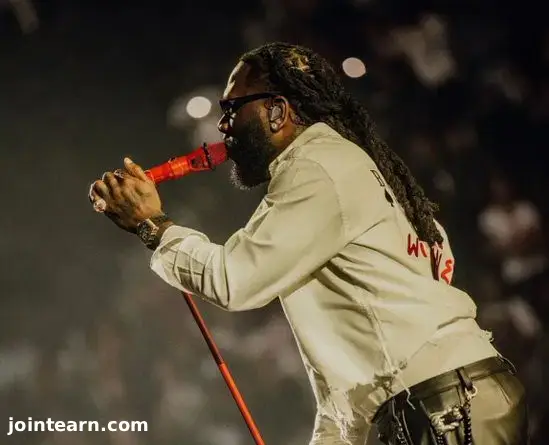
The recent incident in Denver, Colorado, thrust Burna Boy into the global conversation on celebrity accountability. During a concert, he asked a couple to leave after the woman appeared to be sleeping. Defending his actions on social media, Burna Boy argued that performers have the right to maintain respect and decorum, likening disruptive fans to passengers disturbing pilots or students interrupting classrooms.
The episode sparked debate: Should artists be untouchable due to their talent? Do fans have a moral right to judge the behavior of their idols? These questions transcend Nigeria, reflecting the global stakes of celebrity conduct in the digital era.
Global Reactions: Eminem, Rihanna, and International Accountability
The Denver incident drew attention from international artists. Eminem called Burna Boy’s actions “not cool,” while Rihanna described them as “not too ok.” This underscores how interconnected the modern music industry is: a single incident in one city can ripple worldwide, affecting public perception and peer opinion.
History offers similar examples. Chris Brown faced global backlash for assaulting Rihanna, resulting in concert bans and widespread protests. Kanye West endured boycotts and canceled appearances after making antisemitic and pro-Nazi statements. In both cases, reputational damage was mitigated over time through public statements, apologies, and careful image management.
Tour Fallout: Empty Arenas and Cancellations
Following the Denver controversy, reports suggest that several U.S. tour dates faced cancellations or poor attendance. While exact figures remain unverified, the incident demonstrates how social media-amplified public opinion can impact an artist’s commercial success and cultural reach almost instantly.
Burna Boy’s experience highlights a broader truth: cancel culture is a global phenomenon. Actions in one country can spark reactions worldwide, influencing reputation, revenue, and cultural perception. From Lagos to Denver, celebrity behavior is scrutinized in real time, with fans, peers, and media forming an intricate ecosystem of accountability.
Local Dynamics: Naira Marley and Yul Edochie
Cancel culture in Nigeria operates similarly but manifests uniquely. Artistes like Naira Marley and actor Yul Edochie have faced intense backlash for controversial statements or actions.
Naira Marley, known for provocative lyrics and commentary, has been repeatedly targeted online. Yet, his fanbase—the “Marlians”—often revives his career, illustrating the temporary and volatile nature of online cancellation. Similarly, Yul Edochie experienced backlash over divisive social statements, but over time, public attention faded, and his professional activity resumed.
These cases reveal cancel culture’s dual nature in Nigeria: it delivers immediate reputational costs yet remains unpredictable, shaped by audience sentiment, fan loyalty, and cultural context.
Empty arenas and canceled shows are more than commercial setbacks—they are markers of a world where fame, accountability, and public opinion intersect with unprecedented intensity. Burna Boy’s story, alongside Naira Marley, Yul Edochie, and international artists, illustrates a defining feature of modern celebrity: volatile, emotionally charged, and capable of reshaping careers across borders.


Leave a Reply