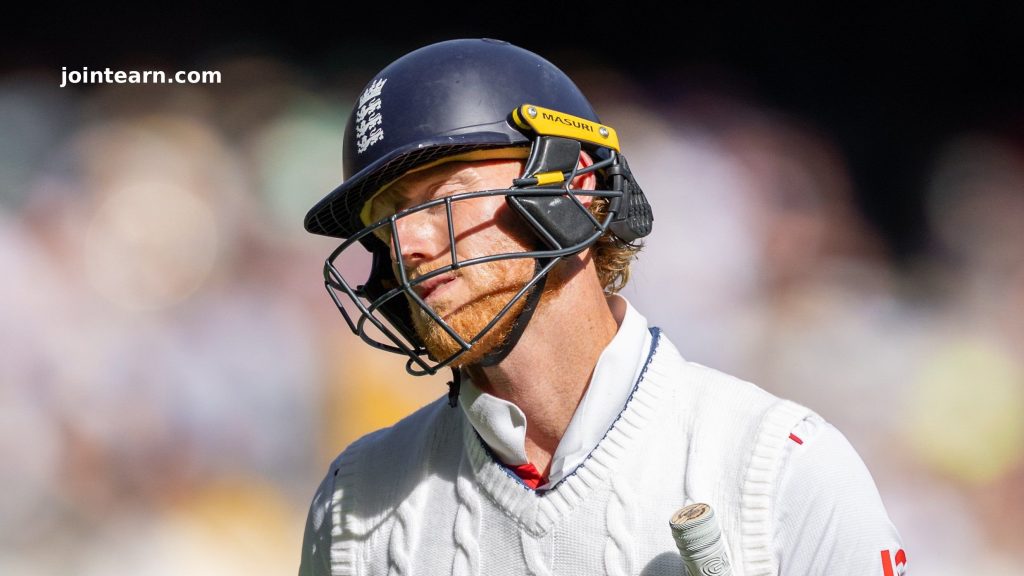
England’s Ashes tour plunged into fresh turmoil after they were bowled out for a paltry 110 runs on a wildly chaotic opening day of the fourth Ashes Test at the Melbourne Cricket Ground. In conditions bordering on the absurd, 20 wickets fell in a single day, producing one of the most frenetic and memorable Boxing Day Tests in modern cricket history.
The carnage marked the most wickets to fall on the opening day of an Ashes Test since 1909, surpassing even the 19 wickets that tumbled on day one of the first Test of this series in Perth. What unfolded was cricket played on the edge of farce — enthralling, brutal, and relentlessly unforgiving for batters on both sides.
A Pitch That Dictated the Drama
Australia’s stand-in captain Steve Smith had warned before the match that the pitch, left with 10mm of live grass, would demand absolute precision from batters. His prediction proved prophetic. Even before England’s collapse, Australia themselves struggled badly, being bundled out for 152 despite winning the toss.
Yet England’s response was even more alarming. After tea, their batting disintegrated in a single devastating session, lasting just 29.5 overs. At one point, England were 8-3, then 16-4, and staring down the barrel of outright humiliation.
By the close of play, Australia had already begun their second innings — only the third time in Ashes history that the third innings of a match has started on day one. The hosts finished the day 4-0, holding a 46-run lead and firm control of the Test.
With the first Test of the series having ended inside two days, Melbourne suddenly threatened to become the second two-day Ashes Test in just five weeks — something unseen for more than a century.
England’s Batting Collapse After Early Promise
For much of the day, England could at least cling to positives from their bowling effort. Josh Tongue’s superb 5-45 and a collective improvement in length and discipline suggested a team finally learning from earlier mistakes.
All of that was wiped away in the evening.
England’s top order folded alarmingly quickly. Ben Duckett miscued Mitchell Starc to mid-on. Zak Crawley edged the same bowler to second slip. On Ashes debut, Jacob Bethell scored just one run before nicking Michael Neser. Three wickets fell inside 26 balls, and panic spread through the batting order.
England’s innings might have descended into total farce were it not for Harry Brook. His first-ball swing and miss at Starc looked reckless, but it was Brook’s audacity — not caution — that gave England fleeting resistance.
Brook smashed 41 runs, including two towering sixes, playing shots few others dared attempt. While teammates were dismissed trying to survive, Brook counter-attacked, briefly dragging England back from the brink.
Alongside Ben Stokes, Brook added 50 runs in 50 balls, injecting life into the innings. But just as momentum seemed possible, Brook walked across his stumps and was pinned lbw by Scott Boland, triggering another collapse.
From that point, England lost five wickets for 25 runs, reinforcing the sense of inevitability surrounding their downfall.
Neser and Boland Do the Damage
Australia’s bowlers exploited the conditions ruthlessly. Michael Neser claimed 4-45, repeatedly hitting the seam and forcing errors, while Scott Boland chipped in with 3-30.
The absurdity of the day was perfectly captured when Boland, after dismantling England’s batting, was sent out as nightwatchman to open Australia’s second innings — meaning he batted at number 11 and opened the batting on the same day of a Test match.
By stumps, Boland survived a scare when edges fell just short of the slip cordon, drawing roars from a crowd fully immersed in the madness.
Record Crowd Witnesses Boxing Day Bedlam
Despite England having already lost the Ashes, the Boxing Day spectacle was anything but a dead rubber. A record crowd of 94,199 packed the MCG, buoyed by the promise — and delivery — of relentless drama and English suffering.
The atmosphere during England’s innings was electric. Every ball felt dangerous. Every appeal carried weight. The contest teetered between high-class fast bowling and near-impossible batting conditions.
Questions will inevitably be asked about whether the pitch crossed the line into unfair territory. But few inside the stadium could deny the theatre. As has so often been the case in this series, Australia emerged with the advantage when chaos reigned.
Tongue Leads England’s Fleeting Revival
Lost amid the wreckage of England’s batting was the clearest sign yet of a more promising future for their pace attack. For the first time, Josh Tongue, Gus Atkinson, and Brydon Carse featured together in a Test — and the results with the ball were encouraging.
England bowled fuller than at any point in the series, backed by sharper catching and moments of athletic brilliance, including Carse’s direct-hit run-out of Cameron Green.
Tongue, recalled after missing the opening two Tests, continued his impressive duel with Steve Smith, dismissing the Australian great yet again — extending a remarkable record of removing Smith in every first-class innings they have faced each other.
Australia briefly threatened to wrest full control when Neser and Green counter-attacked with a stand of 50, but Carse’s pinpoint throw broke the partnership and opened the door for England to mop up the tail. Australia lost their final three wickets without scoring a run — a collapse that foreshadowed the even greater chaos to come.
By nightfall, though, England were already back in the field, once again scrambling to limit damage after another bruising day on a deeply troubled tour.


Leave a Reply