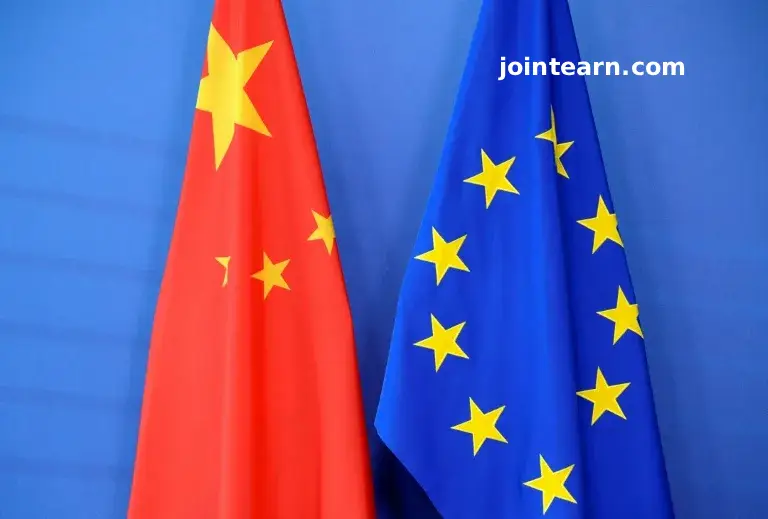
The European Union (EU) sharply criticized China on Monday for imposing duties of up to 42.7 percent on European dairy products, calling the move “unjustified” and a potential escalation of the ongoing trade tensions between the two economic powerhouses.
The new levies, officially called “duty deposits,” are set to come into effect on Tuesday and affect a range of dairy items, including fresh and processed cheese, curd, blue cheese, and certain milk and cream products, according to the Chinese Ministry of Commerce.
Background of China’s Anti-Subsidy Probe
China launched an anti-subsidy investigation in August 2024 following a request from the Dairy Association of China. The probe is scheduled to conclude in February 2025. Chinese officials argue that EU subsidies have caused “substantial damage” to their domestic dairy industry.
However, European Commission trade officials have strongly contested these claims, stating:
“Our assessment is that the investigation is based on questionable allegations and insufficient evidence, and that the measures are therefore unjustified and unwarranted.”
The Commission is currently reviewing China’s preliminary findings and plans to submit formal comments to Beijing.
Escalating EU-China Trade Disputes
This latest move on dairy products follows China’s recent anti-dumping levies on EU pork, implemented on December 17, which range from 4.9 to 19.8 percent after temporary tariffs of 15.6 to 62.4 percent were in place since September 2024.
The ongoing trade friction stems from the EU’s actions in 2024 to impose tariffs on Chinese electric vehicles (EVs). European leaders argued that Chinese subsidies unfairly undercut domestic manufacturers. Beijing denied these claims and responded with retaliatory investigations and tariffs on EU imports, including pork, brandy, and now dairy products.
- For instance, EU brandy producers faced anti-dumping taxes of up to 34.9 percent, forcing price increases in the Chinese market.
- The EU recorded a trade deficit of over $350 billion with China in 2024, intensifying concerns about an unbalanced economic relationship.
European Response
European leaders, including French President Emmanuel Macron, have indicated that the EU may adopt strong retaliatory measures if the trade imbalance persists. Macron emphasized that tariffs or other trade restrictions on Chinese goods could be considered to protect European industries.
Beyond trade disputes, the EU and China are also at odds over geopolitical issues, particularly regarding Russia’s 2022 invasion of Ukraine. While the EU has called on Beijing to pressure Moscow to end the conflict, China has shown little willingness to intervene.
Implications for EU Dairy Exports
The dairy duties could significantly affect European exporters, particularly in countries like France, Germany, and the Netherlands, which supply a substantial volume of cheese, milk, and other dairy products to China. Analysts warn that these tariffs may:
- Reduce competitiveness of EU dairy products in the Chinese market
- Force exporters to raise prices or absorb losses
- Potentially escalate retaliatory measures by the EU
Conclusion
The EU-China trade conflict, now encompassing dairy, pork, brandy, and electric vehicles, reflects broader economic and geopolitical frictions between Europe and China. European officials are signaling that they will not accept what they consider unjustified measures, while Beijing continues to defend its actions as necessary to protect domestic industries.
This trade spat underscores the challenges facing global supply chains and the strategic importance of balancing economic interests with diplomatic negotiations.


Leave a Reply