EU Imposes Indefinite Freeze on Russian Assets
The European Union has taken a historic step by indefinitely freezing €210 billion ($246 billion) in Russian sovereign assets held within its borders. The unprecedented move is designed to strengthen Ukraine’s ability to defend itself against Moscow’s aggression, while bypassing the need for the EU to vote every six months to extend the freeze.
The freeze also reduces the risk of individual member states, particularly Hungary and Slovakia, refusing to renew the freeze in the future, which could have forced the EU to return the funds to Russia.
EU Council President Antonio Costa stated that the decision fulfills the EU’s commitment to immobilize Russian assets “until Russia ends its war of aggression against Ukraine and compensates for the damage caused.”
Plans to Use Frozen Assets to Aid Ukraine
The EU intends to leverage the frozen Russian funds to provide Ukraine with up to €165 billion in loans, supporting both its military and civilian budgetary needs in 2026 and 2027. Most of the frozen assets are held in Euroclear, a Belgian financial clearing house, prompting the EU to negotiate guarantees to convince Belgium to support the plan.
Belgium has previously expressed concern over the “economic, financial, and legal risks” associated with using the funds to back Ukraine, particularly in the event of a potential Russian lawsuit.
Hungarian Opposition and Russian Legal Challenges
Hungarian Prime Minister Viktor Orban, a strong Kremlin ally, condemned the EU’s move, claiming it violates European law and undermines the rule of law within the bloc. He argued that the decision serves only to prolong the war in Ukraine, which he described as “clearly unwinnable.”
Meanwhile, Russia’s Central Bank filed a lawsuit against Euroclear in Moscow, seeking damages for the loss of control over the frozen assets. The Kremlin has repeatedly denounced EU plans to use the assets to support Ukraine as “illegal” and contrary to international law, citing sovereign immunity of assets.
In response, French Foreign Minister Jean-Noel Barrot emphasized that the EU decision ensures European nations retain full control over how the funds are utilized.
Diplomatic Efforts to Secure Ukraine Peace
The asset freeze coincides with intensified diplomatic activity aimed at negotiating a ceasefire between Moscow and Kyiv. The United States has proposed a framework that includes security guarantees and reconstruction plans for Ukraine.
Ukraine recently returned a revised version of the US-drafted plan, which had previously been criticized for favoring Moscow’s territorial ambitions in eastern Ukraine. Discussions include the creation of a “free economic zone” in parts of the Donetsk region, with Ukrainian forces required to withdraw from certain areas claimed by Russia.
Kremlin adviser Yuri Ushakov expressed skepticism, suggesting that Russian forces may not be stationed in Donbas but that local police and National Guard units would maintain control.
Zelenskyy Visits Frontline as Fighting Intensifies
While diplomacy unfolds, fighting on the battlefield continues. Ukrainian forces recently retook key positions in Kupiansk and surrounding areas in the Kharkiv region, encircling hundreds of Russian troops.
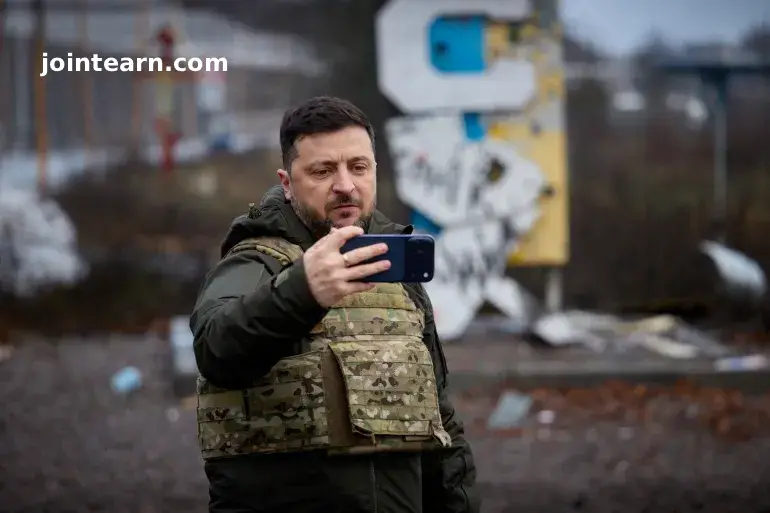
President Volodymyr Zelenskyy visited the frontline, praising Ukrainian troops for strengthening Kyiv’s leverage in diplomatic negotiations. The Ukrainian National Guard confirmed the liberation of northern districts of Kupiansk and other settlements, cutting off Russian supply lines.
Ukraine Claims Strategic Strikes in Caspian Sea
Ukraine’s special forces claimed responsibility for strikes on two Russian vessels in the Caspian Sea—the Composer Rakhmaninoff and Askar-Sarydzha—both reportedly transporting military equipment. The operation, Ukraine stated, was coordinated with a local resistance group named “Black Spark”.
This action follows earlier Ukrainian drone strikes on a Russian oil rig in the Caspian Sea, marking a continued escalation beyond the frontlines of the conflict.
Implications for Europe and Global Security
The EU’s indefinite freeze of Russian assets, combined with ongoing military and diplomatic efforts, underscores the growing international support for Ukraine. While Hungary and Russia resist these measures, European powers remain determined to provide both financial and strategic backing to Kyiv.
As Ukraine continues to make territorial gains on the battlefield and pursue diplomatic negotiations, the frozen Russian funds could play a pivotal role in sustaining its defense efforts and long-term reconstruction.


Leave a Reply