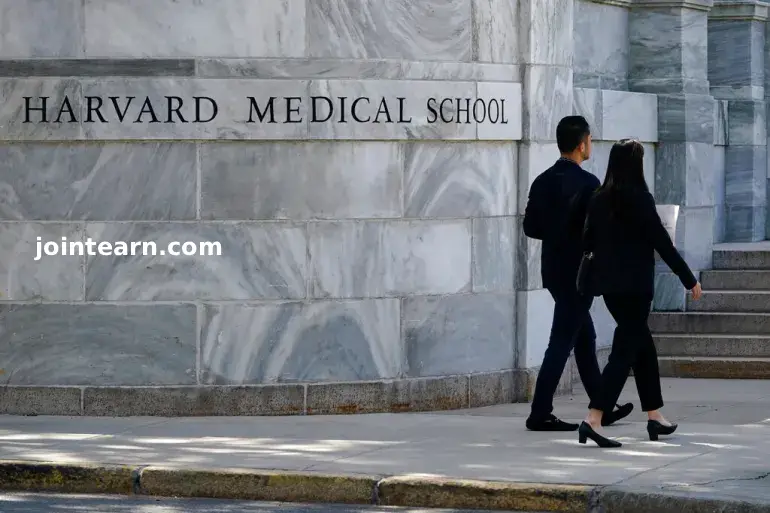
A former Harvard Medical School morgue manager has been sentenced to eight years in prison for stealing and selling body parts from cadavers donated for medical research, in a shocking case that has drawn national attention and legal scrutiny.
Cedric Lodge Convicted of Theft and Illegal Sale
Cedric Lodge, 58, managed the Harvard Medical School morgue for over two decades before his arrest in 2023. On Tuesday, a US District Judge in Pennsylvania, Matthew Brann, handed down an eight-year prison sentence after Lodge pleaded guilty in May to transporting stolen goods across state lines.
Prosecutors detailed that Lodge had removed and sold heads, faces, brains, skin, and hands from cadavers. The body parts were taken to his home in Goffstown, New Hampshire, and sold to several buyers, who mostly resold them further.
The court filing noted that Lodge’s actions caused “deep emotional harm to an untold number of family members left to wonder about the mistreatment of their loved ones’ bodies.”
Wife Also Sentenced
Lodge’s wife, Denise Lodge, was sentenced to one year in prison for her role in facilitating the sale of stolen organs and body parts, including shipments to individuals in Pennsylvania. Prosecutors described the couple’s actions as a scheme that “shocks the conscience” and caters to a disturbing community interested in human oddities.
Legal Proceedings and Maximum Sentence Request
Prosecutors had requested the maximum 10-year sentence, emphasizing the severity and moral reprehensibility of Lodge’s actions. Defense attorney Patrick Casey sought leniency, acknowledging the emotional and ethical harm inflicted on the deceased individuals and their grieving families.
Harvard Medical School’s Response and Legal Liability
Harvard Medical School has not commented on Lodge’s sentencing. Previously, the institution condemned his actions as “abhorrent and inconsistent with the standards and values that Harvard, our anatomical donors, and their loved ones expect and deserve.”
In a related legal development, a US court ruled in October 2025 that Harvard Medical School could face lawsuits from families whose loved ones had donated bodies for research. Chief Justice Scott L. Kafker described the case as a “macabre scheme spanning several years,” highlighting the systematic nature of the misconduct.
Conclusion
The case of Cedric Lodge underscores critical issues in anatomical research ethics, institutional oversight, and the protection of donor families’ rights. It has sparked calls for stricter monitoring of cadaver handling and reinforced the legal and moral responsibility of institutions managing human remains.
The sentencing of Lodge and his wife serves as a stark reminder that even highly respected institutions like Harvard Medical School are accountable when ethical standards are violated.


Leave a Reply