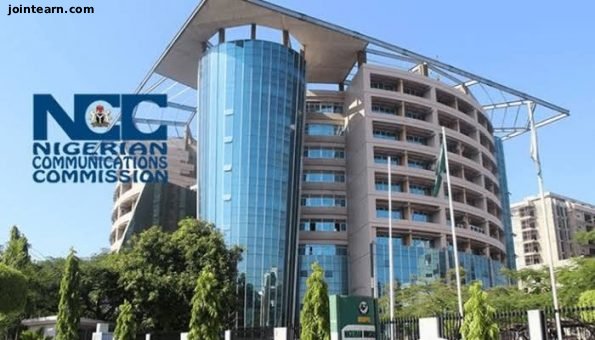
The Nigerian government, through the National Communications Commission (NCC), is setting its sights on satellite-to-mobile services as part of its draft Spectrum Roadmap for the communications sector from 2025 to 2030. The goal is to expand connectivity to millions of Nigerians in remote and underserved regions, where traditional mobile network infrastructure struggles to reach due to challenging terrain, insecurity, or high costs of deployment.
Leveraging Satellite Technology for Nationwide Coverage
One of the key components of the roadmap is the integration of non-terrestrial networks (NTNs) into the country’s communications landscape. The proposal focuses on satellite technologies that could complement existing mobile network infrastructure, especially in hard-to-reach areas. The NCC points to Direct-to-Device (D2D) satellite technology, which allows standard mobile phones to connect directly to satellites, bypassing the need for traditional ground towers.
According to the NCC, D2D technology is gaining momentum globally and has the potential to fill persistent coverage gaps, particularly in rural, riverine, and border communities that have long been excluded from conventional mobile networks. This approach aims to provide voice and data services where building ground-based mobile infrastructure is either impractical or too costly.
Enhanced Reliability and Emergency Communication
Satellite-backed connectivity also promises to enhance network reliability. In the event of disruptions like fiber cuts or power failures that affect terrestrial systems, satellite networks could offer an alternative communication channel, ensuring uninterrupted service. This level of reliability is particularly crucial for emergency communications, public safety operations, and critical services like smart agriculture in underserved regions.
The roadmap also highlights the potential for emergency communication capabilities, which could be a game-changer in areas with limited or no network access. This would include direct access for public safety services, as well as supporting Internet of Things (IoT) applications in sectors such as agriculture, logistics, and healthcare.
Low-Earth Orbit Satellites and Broadband Expansion
In addition to D2D technology, the government’s strategy emphasizes the use of Low-Earth Orbit (LEO) satellites to deliver high-speed broadband services to Nigeria’s most remote areas. LEO satellites offer the advantage of low latency and faster data transmission speeds compared to traditional satellite systems, making them ideal for broadband expansion.
The roadmap also suggests better utilization of Geostationary Orbit (GEO) satellites, which have been pivotal in global communications, along with exploring the use of high-altitude platforms, such as stratospheric balloons, to bolster mobile backhaul and rural connectivity.
Partnerships and Investment Opportunities
The NCC has also pointed out the potential for investment opportunities through strategic partnerships between mobile network operators and satellite companies. These collaborations could help make more efficient use of shared spectrum resources, enabling better connectivity solutions while fostering industry growth.
The policy shifts also come on the heels of Airtel Africa’s recent agreement with SpaceX to introduce Starlink-powered direct-to-cell services in Nigeria. This deal signals growing interest and investment in satellite-driven connectivity, paving the way for similar innovations in Nigeria’s telecommunications landscape.
Shaping the Future of Telecoms
The roadmap is set to guide future spectrum allocation, licensing decisions, and technology adoption across Nigeria’s telecommunications sector. By embracing satellite technologies, the federal government hopes to bridge the digital divide, bringing affordable and reliable communication services to Nigerians in all corners of the country.
This initiative reflects Nigeria’s commitment to modernizing its telecommunications infrastructure and positioning itself as a leader in digital transformation within Africa.


Leave a Reply