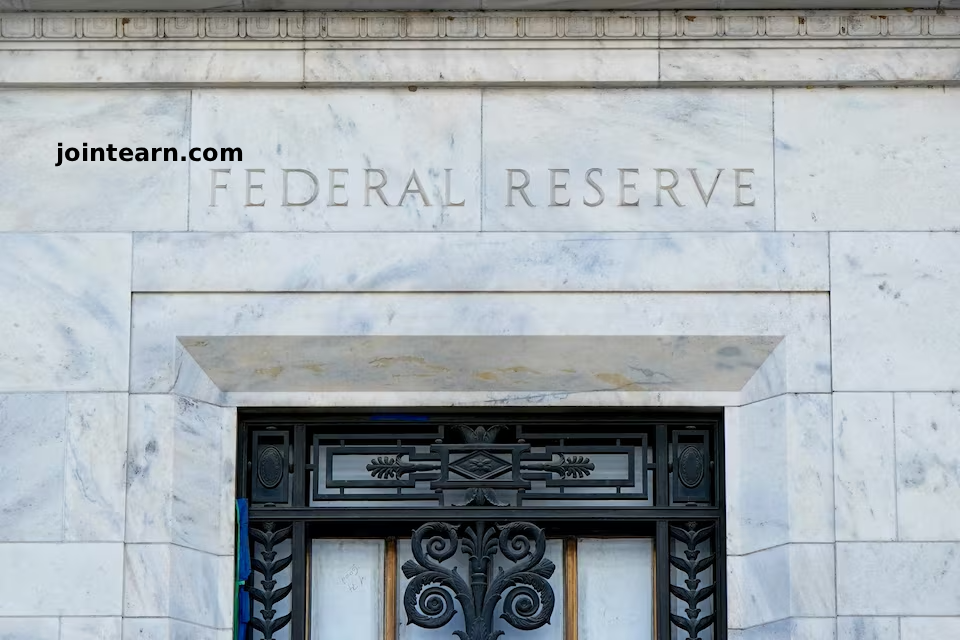
The Federal Reserve Board announced the appointment of chairs and vice chairs for its 12 regional banks for 2026, highlighting a mix of corporate leaders, small business executives, and nonprofit heads who will help guide U.S. monetary policy decisions.
Among the appointments, Lal Karsanbhai, CEO of Emerson Electric Co., will serve as chair of the St. Louis Federal Reserve, while Tim Sweeney, CEO of Liberty Mutual Insurance, has been named vice chair of the Boston Fed. The appointments reflect the Fed’s ongoing effort to integrate diverse business perspectives into its policy considerations.
Role of Regional Bank Boards
Each of the 12 Federal Reserve regional banks has a board of directors that provides insight into local economic conditions. These boards play a crucial role in helping the Fed understand trends in industries such as manufacturing, finance, and services, along with consumer spending and employment patterns.
The board members, including the newly appointed chairs and vice chairs, meet regularly with Federal Reserve policymakers. Their input is considered in monetary policy decisions, including interest rate settings, economic projections, and strategies for managing inflation and unemployment.
Appointments Reflect Diverse Leadership
The 2026 appointments include:
- CEOs of major corporations, such as Emerson Electric and Liberty Mutual
- Leaders of small and medium-sized enterprises
- Nonprofit sector heads
This range of perspectives is intended to ensure that Federal Reserve policy reflects real-world economic conditions across the United States, from major urban centers to smaller regional economies.
Importance for Economic Policy
Federal Reserve regional bank boards contribute valuable insights to the FOMC (Federal Open Market Committee), particularly in assessing:
- Local and national labor markets
- Consumer confidence and spending patterns
- Lending conditions and banking trends
- Regional impacts of national monetary policy
By gathering input from business leaders and community organizations, the Fed aims to balance national economic objectives with regional realities, supporting sustainable economic growth and stability.
Looking Ahead
These appointments come as the Fed continues to monitor key economic indicators, including inflation, employment trends, and consumer spending, in a year marked by evolving financial conditions. With the new chairs and vice chairs in place, regional boards are expected to provide critical guidance on how monetary policy can address both short-term economic challenges and long-term growth objectives.


Leave a Reply