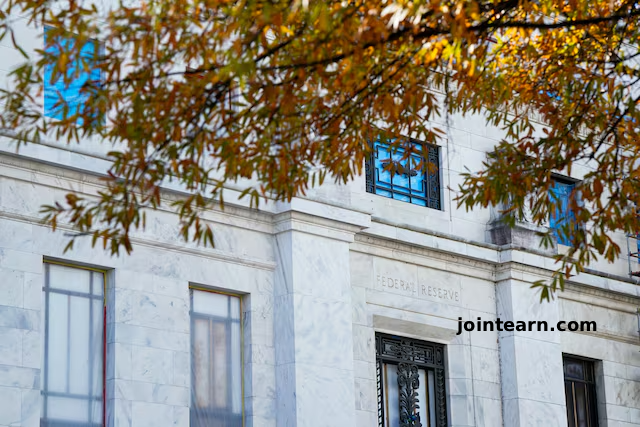
The U.S. Federal Reserve is set to release updated economic projections on Wednesday, marking the conclusion of a turbulent year for the American economy. These projections, scheduled alongside a new Fed policy statement at 2 p.m. EST (1900 GMT), are expected to provide a crucial roadmap for the central bank’s next steps on interest rates, inflation, and economic growth.
Context: A Year of Economic Volatility
2025 has been a year of unexpected economic twists. Policymakers initially anticipated a “soft landing” from inflation, but price pressures returned due to several factors:
- Rising tariffs on imported goods under President Donald Trump’s policies
- A tightened labor market constrained by immigration restrictions
- The Fed’s temporary sidelining amid uncertainty over the effectiveness of monetary tools
Despite these challenges, some feared outcomes, such as severe unemployment spikes or a collapse in global trade, did not materialize. The U.S. unemployment rate remained modest at 4.4% as of September, while economic growth prospects have slightly improved.
Inflation and Affordability Challenges
Inflation remains a central concern for the Fed. Food prices rose 2.7% annually as of September, while high housing costs and elevated mortgage rates continue to affect homeownership affordability. These issues were central themes in President Trump’s 2024 campaign and remain unresolved as the administration enters the second year of its term.
At the same time, some price pressures are considered temporary, giving policymakers room to balance concerns over inflation against risks of slowing economic growth and rising unemployment.
Implications for Interest Rates
The updated Fed projections will outline expectations for 2026, including potential changes to the benchmark federal funds rate, which influences borrowing costs for households and businesses. Analysts anticipate that the central bank may signal a cautious approach to further rate cuts, reflecting a split among policymakers:
- Some members remain concerned that inflation could persist despite prior rate reductions.
- Others argue that slowing growth and labor market pressures may warrant additional cuts.
The Fed reduced rates in September and October 2025 and is widely expected to implement another cut following Wednesday’s meeting.
Political and Market Considerations
The Trump administration has been closely monitoring the Fed, expressing skepticism about the central bank’s decisions and accusing officials of political bias. President Trump and his team have pushed for sharper rate reductions to stimulate economic growth, while Fed Chair Jerome Powell and colleagues have defended a data-driven approach.
The new projections will also serve as a reference point for Powell’s successor, scheduled to take over as Fed chair in May 2026. They will be a key indicator for investors and the White House in assessing the economic environment leading up to the midterm elections, which will determine congressional control for the remainder of Trump’s term.
Outlook
Markets and policymakers will closely watch how the Fed balances the dual mandate of price stability and maximum employment in light of:
- Rising tariffs and trade uncertainties
- Inflation trends above the 2% target
- Labor market dynamics, including workforce shortages and job growth
The Fed’s policy statement, economic projections, and Chair Powell’s press conference are expected to provide clarity on the central bank’s strategy for 2026, influencing financial markets and shaping the U.S. economic outlook for the coming year.


Leave a Reply