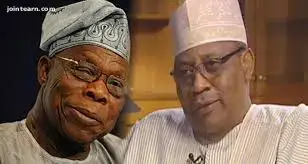
Over the past 22 years, the Federal Government of Nigeria has spent approximately N38.188 billion ($144.72 million) on the welfare and entitlements of former presidents, vice presidents, and their families, according to checks by Saturday Vanguard.
Funds for ex-leaders’ pensions, allowances, and other statutory benefits have risen from N140 million in 2005 to a consistent N2.3 billion annually from 2013 to 2026, with the highest allocation recorded in 2012 under the Goodluck Jonathan administration at N3.185 billion.
The beneficiaries include former presidents Olusegun Obasanjo, Goodluck Jonathan, and military heads of state Ibrahim Babangida, Yakubu Gowon, and Abdulsalami Abubakar, as well as vice presidents Atiku Abubakar, Namadi Sambo, and Yemi Osinbajo. Families of deceased ex-leaders, including Abubakar Tafawa Balewa, Nnamdi Azikiwe, and Alex Ekwueme, are also entitled to benefits.
Beyond regular allowances, each ex-leader receives N500,000 per Council of State meeting, and the government spent N986.19 million between 2016 and 2018 to purchase vehicles for former presidents and vice presidents.
The entitlements cover security aides, domestic staff, medical care in Nigeria and abroad, vehicles, office space, furnished homes, and annual vacations. The packages were initially established under Decree 32 of 1999 and later codified in the Remuneration of Former Presidents and Other Ancillary Matters Act, with amendments in 2008 and 2010.
For context, Nigeria’s system is modeled in part after international practices:
- United States: Former presidents earn about $205,700 annually, with lifetime Secret Service protection and other benefits.
- South Africa: Former presidents maintain full salaries and benefits for life, including medical insurance.
- India: Ex-prime ministers receive a monthly pension, free housing, and travel reimbursements.
- United Kingdom: Former prime ministers draw a “gold-plated” pension, totaling over $515,000 annually including public duty allowances.
Budget Allocations Over the Years (Selected):
| Year | Amount (Naira) | Amount (USD) |
|---|---|---|
| 2005 | 140m | 1.06m |
| 2012 | 3.185bn | 20.817m |
| 2013–2026 | 2.3bn annually | 1.5–14.3m |
| Cars | 1.418bn | 4.65m |
| Total | 38.188bn | 144.722m |
This long-standing expenditure reflects Nigeria’s commitment to maintaining the dignity of its former leaders, while also ensuring their families are cared for, in line with both local law and international practice.


Leave a Reply