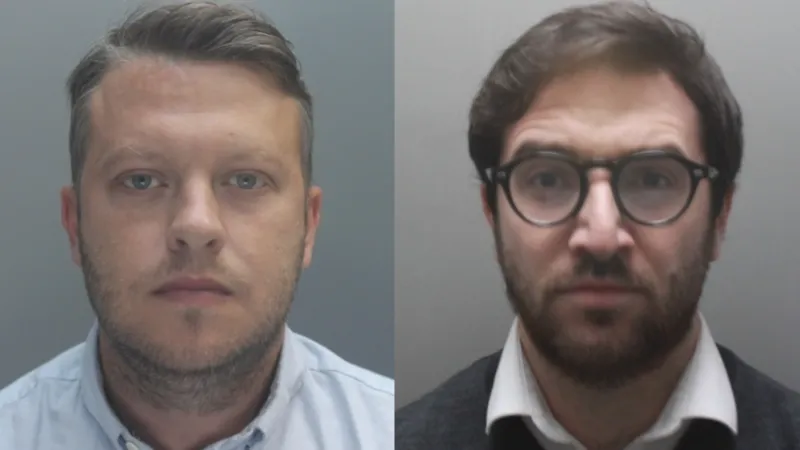
In a landmark case that rocked the football world, five men have been sentenced for orchestrating a sophisticated scam involving Liverpool Football Club (LFC) match tickets. The fraud, which targeted genuine fans, saw tickets intended for local supporters sold at massively inflated prices through secondary ticket platforms and a website they created called Seatfinder UK.
How the Liverpool FC Ticket Scam Worked
According to Liverpool Crown Court, the defendants dishonestly acquired tickets meant for Liverpool fans and resold them for profit. Some affordable tickets, originally priced for local supporters, were sold for as much as £1,000, with the operation estimated to have generated between £500,000 and £1 million.
Key Individuals Involved
- Louis James, 37, of Kirkby, worked in LFC’s ticket office and admitted three counts of conspiracy to commit fraud. He was sentenced to 2 years and 4 months in prison.
- James Johnson, 34, also a ticket office worker, admitted two counts of conspiracy to commit fraud. He received a 21-month suspended sentence, 150 hours of unpaid work, and a two-month electronic curfew.
- Joseph Johnson, 42, admitted three counts of conspiracy to commit fraud and was sentenced to 4.5 years in prison.
- Liam Rice, 36, admitted one count of conspiracy to commit fraud and received 2 years and 10 months in jail.
- Lee Smith, 38, admitted two counts of conspiracy to commit fraud and was sentenced to 2 years and 10 months in jail.
Despite sharing surnames, Joseph Johnson and James Johnson are not related.
The Mechanics of the Scam
The defendants exploited the ticket system to obtain cheap tickets intended for Liverpool supporters, including those with Liverpool postcodes. Many tickets, originally priced at just £9, were bought before general release and then sold for hundreds of pounds.
Joseph Johnson, described by prosecutors as the “mastermind,” emailed colleagues in 2016 suggesting mark-ups of £400 for a Manchester United vs Liverpool ticket and £250 for an Everton vs Liverpool match ticket.
Even after the two ticket office employees were dismissed, the fraud continued, highlighting the organized nature of the scheme.
Fake Club Memberships
The group also created over 1,000 fake Liverpool membership accounts using fabricated names and addresses, such as Liverpool Prison and local hotels, to gain early access to cheap tickets.
Documents found during the investigation indicated they had similar fake membership accounts for Manchester United, Manchester City, Chelsea, Arsenal, and Tottenham Hotspur, suggesting the operation extended across the Premier League.
Legal Outcome
Senior District Crown Prosecutor Jonathan Egan stated:
“These defendants worked together to obtain huge numbers of Liverpool Football Club tickets meant for those living locally or genuine football club members, to make huge profits by reselling them at vastly inflated prices. Their so-called ‘business’ grew into a multi-million-pound enterprise.”
Despite the scale of the scam, prosecutors confirmed that Liverpool FC did not suffer financial loss. The real victims were the fans who were unable to purchase affordable tickets. Nicola Daley, prosecuting, emphasized that:
“Tickets meant for local supporters, priced to make games accessible to all, were diverted and resold at significantly inflated prices.”
Investigators Uncover Extensive Evidence
Authorities discovered that Seatfinder UK was registered in Dubai but operated from a rented office in Kirkby, Merseyside. Investigators also found bundles of cash, numerous tickets, and detailed records of the fraud, showcasing the organized structure behind the operation.
Impact on Fans and the Club
While Liverpool FC was not financially impacted, the scandal disrupted fans’ access to affordable tickets and highlighted vulnerabilities in the Premier League ticketing system. Defenders of the accused argued that the club could not claim reputational damage since senior players were also involved in secondary ticket sales.
However, the court emphasized that the fraud undermined genuine supporters, affecting the integrity of match attendance and fan engagement.


Leave a Reply