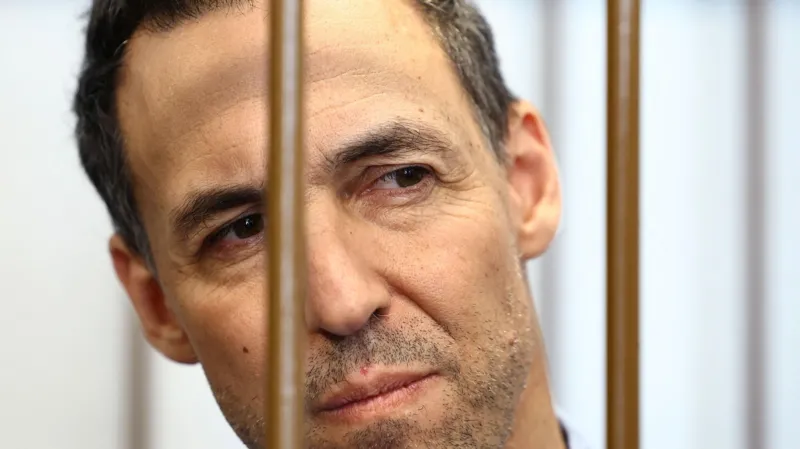
French researcher Laurent Vinatier has been freed from Russian detention after spending over a year in prison for failing to register as a “foreign agent.” His release comes as part of a prisoner swap with Russia, in which French authorities handed over Russian basketball player Daniil Kasatkin, imprisoned in France since June 2025 on US hacking-related charges.
Background on Vinatier’s Case
Vinatier, 49, worked for a Switzerland-based conflict mediation non-profit and was arrested while gathering information on Russia’s military, according to prosecutors. Russian law requires individuals receiving foreign support or influence to declare themselves as foreign agents. During his court proceedings, Vinatier apologized and pleaded guilty, stating he was unaware of the registration requirement. He was sentenced to three years in prison, a decision France called “extremely harsh.”
Tensions between Russia and the West have been high since Russia’s invasion of Ukraine in February 2022, with foreign nationals increasingly used as bargaining tools in diplomatic disputes.
Prisoner Swap Details
The exchange also involves 26-year-old Daniil Kasatkin, who was imprisoned in France at the request of the US for alleged involvement in ransomware attacks against nearly 900 companies. Kasatkin has denied the accusations.
Vinatier was pardoned by Russian President Vladimir Putin before being released. Upon arrival in Paris, he was reunited with his family and met by French Foreign Minister Jean-Noel Barrot. President Emmanuel Macron expressed relief, calling Vinatier “our compatriot” and sharing in the joy of his family and loved ones.
This swap follows August 2024’s large-scale Russia-West exchange, in which 24 people—including US reporter Evan Gershkovich and ex-US Marine Paul Whelan—were freed in exchange for Russian nationals detained abroad.
Broader Context
Foreign nationals have increasingly become diplomatic leverage in Russia’s relations with Western countries. Experts say such swaps highlight ongoing geopolitical tensions and the complex nature of legal and diplomatic negotiations involving dual nationals and foreign agents.


Leave a Reply