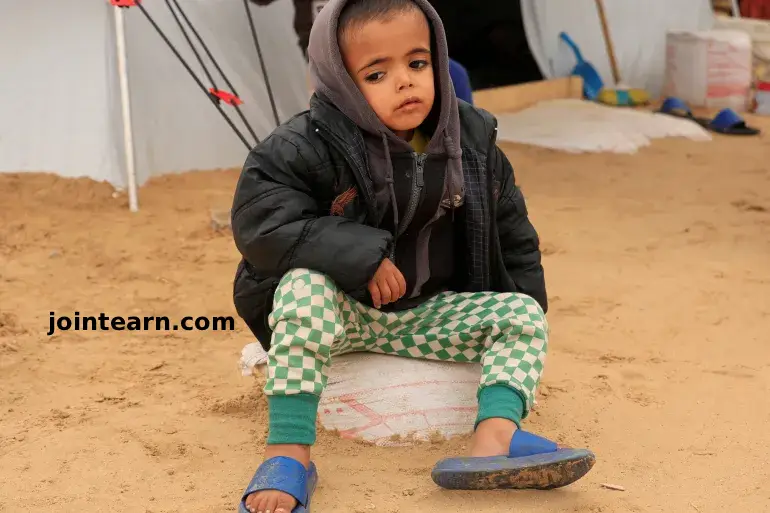
Gaza’s Health Ministry has issued an urgent appeal for medical supplies, warning of critical shortages that are severely affecting healthcare services across the territory. The ministry described the situation as a public health emergency, worsened by more than two years of conflict and a crippling blockade imposed by Israel.
“The number of items completely out of stock on the essential medicines list has reached 321, representing a 52 percent shortage,” the ministry said. Supplies of medical consumables and laboratory materials are even more severely affected, with shortages of 71 percent and 59 percent, respectively.
Impact on Healthcare Services
Doctors in Gaza report that the shortages are threatening lives, particularly in emergency and intensive care units. Life-saving medications, including intravenous solutions, antibiotics, and painkillers, are in critically low supply.
The ministry highlighted the severe human impact:
- Approximately 200,000 patients potentially deprived of emergency care
- Around 100,000 patients unable to access surgical services
- About 700 patients lacking intensive care
Additional shortages affect specialized care, including kidney treatment, oncology, open-heart surgery, and orthopedics, compounding the already dire healthcare situation.
Blockade and Aid Limitations
The ministry stated that the number of medical trucks entering Gaza has been reduced to less than 30 percent of the monthly requirement. Despite a US-backed ceasefire that took effect on October 10, Israel has continued to restrict the agreed quantities of medical aid, deepening the ongoing health crisis.
Currently, 1,500 children are awaiting border openings to receive urgent treatment outside Gaza. Zaher Al Waheidi, head of the Information Unit at Gaza’s Health Ministry, reported that 1,200 patients, including 155 children, have died after being unable to leave Gaza for medical care.
Palestinian Detainee Releases
Six Palestinian detainees recently released from Israeli detention arrived at Al-Aqsa Martyrs Hospital in Deir el-Balah for treatment, facilitated by the International Committee of the Red Cross (ICRC). Rights groups report that Israel has detained many Palestinians without clear legal procedures, and the ICRC has not been allowed access to detainees since October 2023.
The detainees often suffer from malnutrition and injuries from abuse. While 1,700 detainees were released under the ceasefire in October, more than 10,000 Palestinians remain in Israeli prisons, reportedly facing starvation, abuse, and lack of medical care.
Ongoing Civilian Hardships
Beyond the medical shortages, Gaza faces additional humanitarian crises. A recent roof collapse in Sheikh Radwan left five people trapped, including a child and two women, and killed four. Since the ceasefire, 46 buildings have collapsed, killing at least 18 people.
The conflict since October 2023 has resulted in more than 70,000 Palestinian deaths, primarily among women and children, with over 171,000 others wounded, according to Gaza authorities.
Conclusion
Gaza’s healthcare system is struggling under extreme conditions, with shortages in medicines, medical consumables, and laboratory supplies threatening lives daily. International assistance and full implementation of humanitarian access are critical to prevent further loss of life and mitigate the ongoing health crisis.


Leave a Reply