The rapid global acceleration of artificial intelligence development is now fueling a critical shortage of memory chips, creating an intense scramble across the technology and consumer-electronics industries. Companies from smartphone manufacturers to cloud-computing giants are competing for limited supplies of the essential components that power everything from AI training clusters to everyday mobile devices.
Industry analysts warn that this shortage—spanning nearly every major category of memory—could delay large-scale AI projects, increase costs for consumer electronics, and potentially slow broader economic productivity gains tied to AI deployment.
AI Demand Outpaces Global Memory Production
Memory components such as DRAM, NAND flash, and high-bandwidth memory (HBM) have seen prices spike dramatically across global markets. According to industry research groups, some categories have more than doubled in price since early 2025 as demand surges far beyond the manufacturing capacity of major suppliers like Samsung Electronics, SK Hynix, and Micron Technology.
HBM, the ultra-advanced memory used in GPUs for AI training and inference, is in especially short supply. Major players—including Microsoft, Google, ByteDance, and top AI-chip buyers—are urgently negotiating long-term supply deals as they build out massive next-generation data centers.
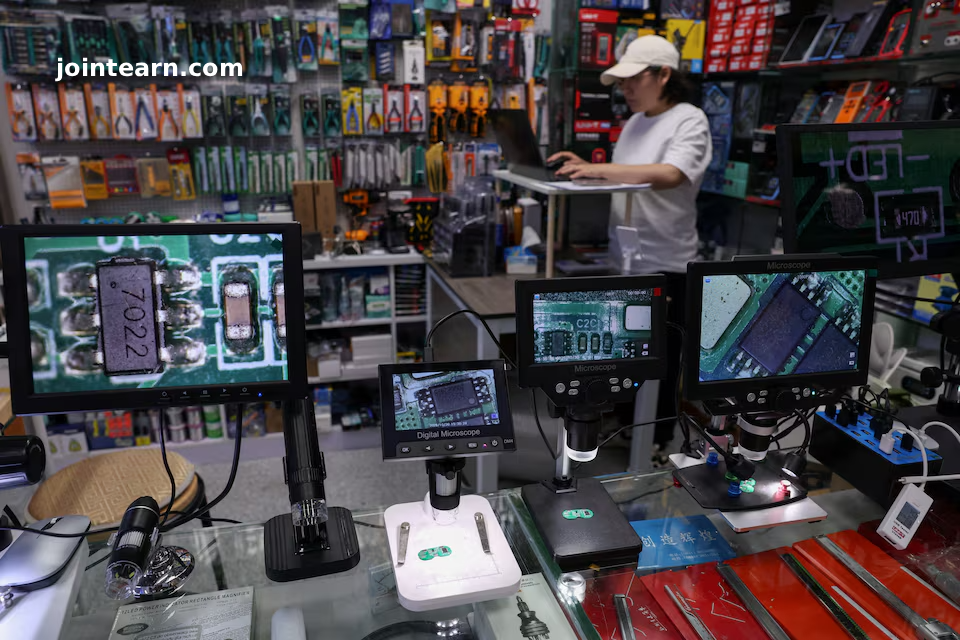
As AI adoption skyrockets, the strain has spread to more traditional memory products used in laptops, PCs, and smartphones. Retailers in Japan and China report widespread shortages and sharp price hikes, with some stores limiting customer purchases to prevent hoarding.
Smartphone and PC Makers Brace for Higher Costs
The ripple effect through the consumer-electronics market is becoming increasingly visible. Major Chinese smartphone brands have warned that rising memory costs could soon force widespread device price increases. One executive described the current surge in memory pricing as “the steepest since the birth of modern smartphones.”
Laptop manufacturers, facing dwindling inventory levels, are preparing to adjust pricing structures or reduce production volumes until the memory market stabilizes. Some companies now hold only a few weeks of DRAM supplies—down from several months of inventory just a year ago.
Chipmakers Shift Focus—But Not Fast Enough
As the AI boom accelerated, memory manufacturers rapidly shifted production capacity toward the most profitable and technologically advanced products, especially HBM. But this pivot away from traditional DRAM and NAND production is now contributing to broader shortages.
Several suppliers also began phasing out older DDR4 memory lines—still used widely in PCs and legacy servers—only to reverse course months later as shortages deepened. The imbalance between cutting-edge AI memory demand and everyday consumer memory needs has created a perfect storm.
Industry leaders caution that expanding production capacity is not a quick fix. Building new fabrication facilities or upgrading existing ones can require two to three years or more, meaning tight supply conditions may persist well into 2027 or beyond.
Tech Giants “Begging for Supply” as Competition Intensifies
Executives at several semiconductor companies describe the current environment as unprecedented. Some major cloud providers and AI firms have submitted “unlimited” purchase orders—agreeing to buy as many chips as manufacturers can deliver, regardless of cost.
Suppliers are receiving urgent meetings and high-level delegations from top technology companies across the U.S. and China. Multiple firms are attempting to secure long-term contracts spanning several years, locking in future memory capacity before competitors can claim it.
Rising Prices Hit Retail and Resale Markets
At the consumer level, the memory chip crunch is dramatically reshaping retail markets:
- Japanese electronics stores have begun imposing purchasing limits.
- Chinese electronics markets report volatile, day-to-day pricing similar to commodities trading.
- Secondhand PC component shops are seeing a boom in demand as buyers seek more affordable alternatives.
In major tech hubs like Shenzhen and Tokyo, resellers and small distributors are stockpiling memory chips, anticipating further price increases. Some brokers now issue quotes that expire within hours due to extreme market volatility.
Economic Impact: Delays, Inflation Pressure, and Slower AI Progress
Economists warn that the prolonged shortage could have macro-level implications. Any slowdown in AI infrastructure buildout could delay anticipated productivity gains, stretching out timelines for economic boosts tied to AI automation and cloud expansion.
Additionally, rising memory costs may contribute to inflation pressures at a time when major economies are still recovering from recent price instability. With U.S. tariffs adding further strain, businesses across multiple industries are bracing for elevated costs well into 2026 and beyond.
Outlook: Relief Not Expected for Years
Even with major chipmakers announcing multibillion-dollar expansion plans, most analysts agree that relief will be slow. New fabrication facilities focused on both HBM and traditional DRAM are unlikely to begin producing chips until 2027 or later.
For now, the global race for memory chips continues—shaping AI development, consumer-electronics pricing, and the broader digital economy in real time.


Leave a Reply