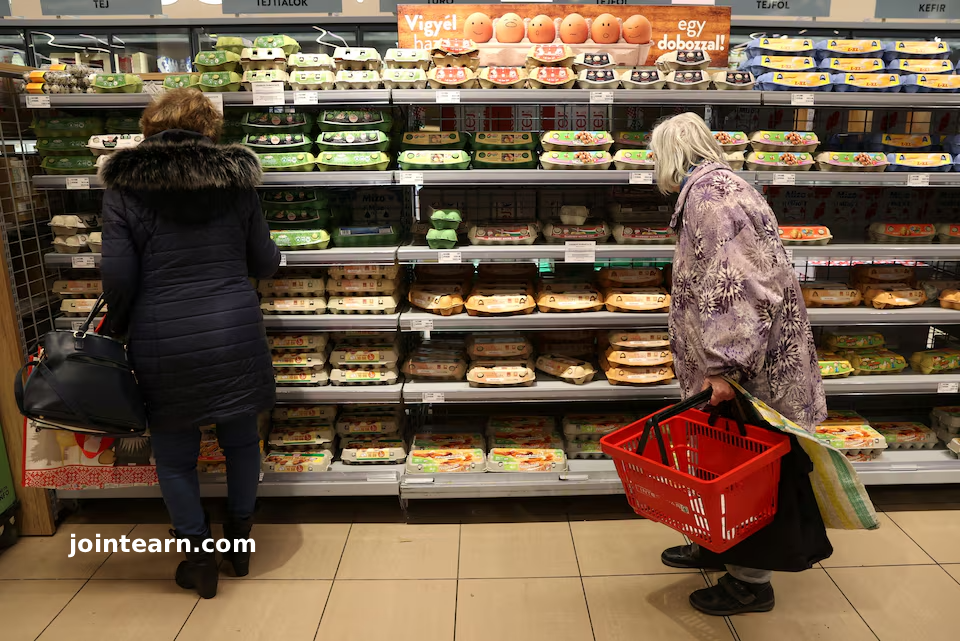
FAO Reports Decline in World Food Prices in December
Global food prices fell for a fourth consecutive month in December 2025, primarily due to drops in dairy, meat, and vegetable oil prices, the United Nations’ Food and Agriculture Organization (FAO) reported on Friday.
The FAO Food Price Index, which tracks the international prices of a basket of key food commodities, averaged 124.3 points in December, down from 125.1 points in November. This also represents a 2.3% decrease from December 2024, marking the lowest monthly average since January 2025.
Food Prices Still Up for Full Year 2025
Despite the December dip, the FAO Food Price Index averaged 127.2 points for 2025, a 4.3% increase compared with 2024. Higher prices for vegetable oils and dairy products outweighed declines in cereals and sugar, sustaining upward pressure on global food costs throughout the year.
Breakdown by Commodity
Dairy Prices
- The dairy price index fell 4.4% in December, driven by a steep drop in butter prices following increased cream availability in Europe.
- However, for 2025 overall, dairy prices averaged 13.2% higher than in 2024, reflecting strong import demand and limited exportable supplies earlier in the year.
Meat Prices
- Meat prices dipped 1.3% in December, mainly due to falls in bovine and poultry categories.
- The full-year index remained 5.1% above 2024 levels, supported by robust global demand and uncertainties related to animal diseases and geopolitical tensions.
Vegetable Oils
- The vegetable oil index eased 0.2% to a six-month low in December, as weaker soy, rapeseed, and sunflower oil prices offset gains in palm oil.
- For the full year, the index rose 17.1%, reaching a three-year high amid tight global supplies.
Cereals
- The FAO Cereal Price Index rose 1.7% in December, with wheat prices supported by concerns over Black Sea export flows and maize buoyed by strong ethanol production in Brazil and the U.S.
- However, for 2025 overall, the cereal index averaged 4.9% below 2024, marking its third consecutive annual decline and the lowest annual average since 2020.
Sugar
- Sugar prices increased 2.4% in December after three months of declines, mainly due to reduced production in southern Brazil.
- Despite this monthly rise, the sugar index fell 17% for 2025, hitting a five-year low, as global supplies remained plentiful.
Global Food Market Outlook
The FAO report highlights ongoing volatility in global food prices, with commodity-specific factors such as weather, geopolitical tensions, and production fluctuations playing a major role.
While dairy and vegetable oils pushed overall prices higher in 2025, cereals and sugar showed persistent downward pressure, reflecting a complex global supply and demand environment.
Experts say policymakers and market participants will continue monitoring FAO food price trends closely, given their implications for food inflation, global trade, and economic stability, particularly in vulnerable regions.


Leave a Reply