The Federal Government has reaffirmed its commitment to transforming Nigeria’s livestock sector as a catalyst for food security, job creation, and rural income growth.
Current estimates show that the livestock industry contributes about $32 billion to Nigeria’s Gross Domestic Product (GDP). But under the government’s new strategic plan, that figure is expected to more than triple within the next decade.
This was disclosed by Mr. Peter Alike, Director at the Technical Office of the Permanent Secretary, Federal Ministry of Livestock Development, during a Policy Dialogue Workshop on the PRISMA Project’s alignment with West Africa and the Sahel’s regional agricultural priorities held in Abuja.
Ambitious 10-Year Growth Plan
Mr. Alike revealed that Nigeria’s strategic plan for the livestock sector, which will run from 2025 to 2030, aims to expand the sector’s GDP contribution to between $74 billion and $94 billion within ten years.
He said President Bola Ahmed Tinubu’s creation of a dedicated Ministry of Livestock Development underscores the government’s deliberate effort to strengthen the livestock sub-sector and drive broader national development.
Collaboration as Top Priority
Emphasizing the importance of coordinated action, Alike said:
“This is the time for three things to be done. The first is collaboration. The second is collaboration. And the third is collaboration. We need each other now more than ever.”
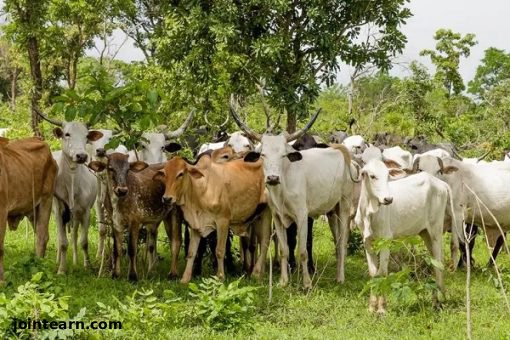
He also warned that livestock feed has become a national emergency, given that over 50 million cattle are currently in the hands of rural dwellers, making feed production essential to food security, rural livelihoods, and national stability.
Need for Effective Implementation
Alike urged participants not to let the PRISMA policy dialogue become just another routine meeting without impact, stressing the need for actionable outcomes.
ECOWAS, EU Back Regional Livestock Reforms
Also speaking, Mr. Konlani Kanfitin, Acting Executive Director of the Regional Agency for Agriculture and Food (ARAA), reaffirmed ECOWAS’ commitment to advancing livestock development and strengthening research collaboration across the region.
He commended the European Union and the Spanish Cooperation Agency (AECID) for co-financing the PRISMA Project, which promotes climate-resilient innovations and improved agro-pastoral systems in West Africa.
Kanfitin noted that livestock remains central to the economies of ECOWAS member states, contributing significantly to food security, job creation, and rural household incomes.
Addressing Aflatoxin Risks in Livestock Feed
PRISMA researcher, Dr. Fernando Escribano, highlighted the project’s focus on tackling aflatoxins—toxic substances produced by fungi and bacteria that thrive in high-moisture and high-temperature conditions.
He stressed the need for regional harmonization of standards to detect and prevent aflatoxin contamination in livestock feed.
“We need to know how to sample, detect, and measure aflatoxins in a simple but universally accepted way,” he said.
Strong Multilateral Support
The workshop was hosted by the Federal Ministry of Livestock Development and supported by multiple development partners, including:
- European Union (EU)
- AECID
- Luxembourg Cooperation
- Belgian Cooperation
- Spanish Cooperation
This broad support reflects growing regional and global interest in strengthening West Africa’s livestock value chain, enhancing food resilience, and boosting rural economies.


Leave a Reply