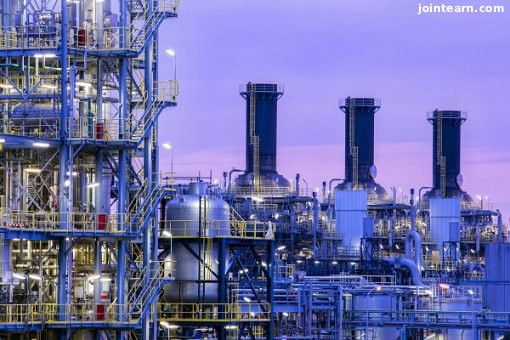
The surge in local refining of premium motor spirit (PMS), driven largely by the Dangote Refinery, is reshaping Nigeria’s petroleum downstream sector, with significant implications for private depots.
Data from the Nigerian Midstream and Downstream Petroleum Regulatory Authority (NMDPRA) showed that out of 74.2 million litres of petrol supplied daily in December 2025, 32 million litres came from local refineries, while imports accounted for 42.2 million litres—a 19% drop from November’s 52.1 million litres per day. The Dangote Refinery, capable of producing 50 million litres daily, contributed to a 64% increase in local supply from the previous month.
This shift has triggered a “price war” at private depots. Early January 2026 saw depots like Eterna, Integrated, and Aiteo selling petrol between N710 and N800 per litre, while Dangote maintained its ex-gantry price at N699. Market forces are pushing retailers to lower prices, with some now selling at N739–N770 per litre to remain competitive.
Oil and gas consultant Mayowa Sodipo highlighted that the growth in local refining is significantly affecting private depots:
“The shift from import dependency to local supply has reduced throughput, shrunk margins, and eroded market share for traditional independent depots. Many are facing an existential crisis as Dangote sells directly to large marketers and consumers, bypassing traditional intermediaries.”
He noted that Lagos depots, in particular, experienced utilization rates dropping below 40% in late 2024 as imports declined. The direct distribution model of Dangote, using its own fleet of 4,000 CNG trucks, has further sidelined independent depots, forcing many to cut prices and sometimes operate at a loss.
Chinedu Ukadike, National Publicity Secretary of the Independent Petroleum Marketers Association of Nigeria (IPMAN), confirmed that petrol supply remains stable under the new local refining regime, with Dangote opening access to independent marketers:
“Since Dangote reduced prices, supply has been consistent. Currently, almost all petrol in circulation is locally refined, and independent marketers can access the product.”
While the Depot and Petroleum Products Marketers Association of Nigeria (DAPPMAN) supports local refining, they emphasize the need for competitive pricing, fair access, and subsidies to cover logistics costs like freight and port charges.
Consultants like Sodipo and industry veterans, including Femi Otedola, urge depot owners to adapt by pivoting from traditional storage to last-mile retail operations to remain viable in a self-sufficient, locally supplied market.
The era of private depots dominating fuel distribution appears to be over, replaced by a model driven by direct factory-to-station delivery and growing local refining capacity.


Leave a Reply