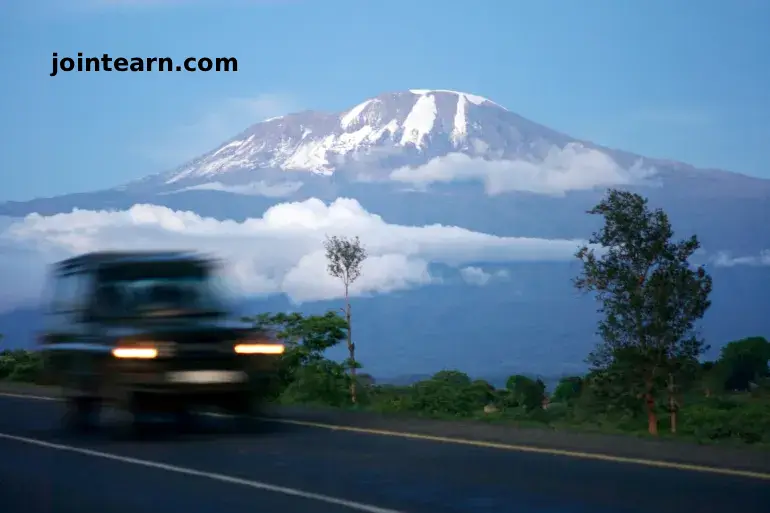
Tanzania – December 25, 2025 – A tragic helicopter crash on Mount Kilimanjaro, Africa’s highest peak, has claimed the lives of five people, including two foreign tourists, authorities confirmed. The accident occurred during a rescue mission to evacuate patients from the mountain, highlighting the risks of high-altitude operations in this popular climbing destination.
Details of the Helicopter Accident
The incident took place on Wednesday evening between Barafu Camp and the Kibo Summit, at an altitude exceeding 4,000 meters (approximately 13,100 feet). The helicopter was part of a medical evacuation effort, transporting individuals in need of urgent care.
Among the victims were:
- Two foreign tourists seeking medical evacuation (reports suggest Czech and Zimbabwean nationals)
- A local doctor
- A tour guide
- The helicopter pilot
The helicopter belonged to Kilimanjaro Aviation, which has not yet released an official statement regarding the accident.
Response from Authorities
The Tanzania Civil Aviation Authority (TCAA) confirmed that investigations into the crash have begun, in accordance with international aviation safety regulations, to determine the circumstances and probable cause. Tanzanian police are also conducting parallel inquiries to ensure a comprehensive understanding of the accident.
Kilimanjaro Regional Police Commander, Simon Maigwa, told reporters that helicopter accidents on the mountain are extremely rare. The last major aviation incident occurred in November 2008, resulting in the deaths of four people.
Mount Kilimanjaro: Popular But Risky
Mount Kilimanjaro draws thousands of tourists annually, with climbers from around the world attempting to reach its summit. While the climb is considered non-technical, altitude sickness remains a significant risk for many visitors, often necessitating medical evacuation at high elevations.
Rescue operations in this challenging terrain are complex due to thin air, unpredictable weather, and rugged mountain routes. Helicopters are frequently deployed for emergencies, but even experienced pilots face dangers in navigating the mountain’s steep slopes and high altitudes.
International and Local Impact
The deaths of foreign nationals underscore the international attention this accident has attracted. Local authorities have extended condolences to the families of the victims and emphasized their commitment to improving mountain rescue safety protocols.
Tour operators and climbing agencies are also reviewing procedures to ensure climbers have proper acclimatization, emergency planning, and access to medical support during ascents.
Safety Considerations for Kilimanjaro Climbers
Authorities and travel experts continue to advise climbers to:
- Acclimatize properly to reduce the risk of altitude sickness
- Follow recommended rescue and emergency procedures
- Use licensed guides and approved tour operators
- Avoid hiking in adverse weather conditions or during poor visibility
Despite the inherent risks, Kilimanjaro remains a major tourist attraction, celebrated for its breathtaking scenery and accessible climbing routes.


Leave a Reply