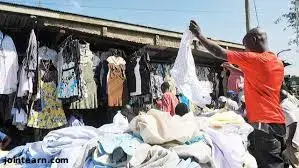
Once primarily associated with the poor, bend-down boutiques—locally known as okrika shops—have evolved over the years into a popular market for affordable, durable clothing. In the late 2000s, imported used clothes from abroad gained recognition for their quality, and wealthier buyers gradually pushed the poor out of these shops as prices rose.
However, Nigeria’s ongoing economic downturn has brought all classes back to these boutiques, but sellers now face a major hurdle: import restrictions and high duties. Imported used clothes are often classified as contraband, making customs clearance expensive and difficult. Smuggling has become riskier, driving up the cost of bales dramatically—from around N50,000 years ago to N500,000–N600,000 for high-grade items today, and N200,000–N300,000 for lower grades.
As a result, most bend-down boutiques now trade locally sourced used clothes, rebranded as okrika. Sellers like Mrs. Helen Akugbe and Maxwell Okechukwu explained that Nigerian used clothing, including Ankara prints, lace, and children’s wear, is being sold at affordable rates to meet market demand.
Customers have noticed the shift. Mrs. Saidat Akinsola, a buyer, recently purchased children’s clothes and Ankara gowns sold as okrika, noting that some items were barely worn. She reflected on how this trend signals the monetization of nearly everything in Nigeria, contrasting with her childhood experiences when neighbors freely shared clothes.
The rise of locally sourced used clothing highlights the impact of high import duties and stricter customs enforcement, reshaping the bend-down boutique market in Nigeria.


Leave a Reply