New Report Highlights Police Failings in Hillsborough Tragedy
A major new report has revealed widespread police failings before and after the Hillsborough football stadium disaster in 1989, which claimed the lives of 97 Liverpool supporters. The findings, published by the Independent Office for Police Conduct (IOPC), come after a comprehensive investigation that began in 2012, offering a more detailed understanding of the events that led to the United Kingdom’s worst sporting tragedy.
The report identified 12 police officers who would have faced allegations of gross misconduct if they were still in service. However, all 12 have since retired, leaving victims’ families to contend with what they call yet another denial of justice.
“Not a single officer will face a disciplinary action. No one will be held to account,” said Nicola Brook, lead lawyer for the Hillsborough families.
Families Speak Out: Justice Still Elusive
For families who lost loved ones, the report is a bitter reminder of the long struggle for justice. Margaret Aspinall, who lost her 18-year-old son James, described the situation as a “disgrace to this nation,” criticizing the fact that the officers could retire with full pensions.
Charlotte Hennessy, whose father Jimmy died in the disaster, echoed the frustration, saying she and other families “will never get justice.”
What Happened at Hillsborough
The Hillsborough disaster occurred on April 15, 1989, at Hillsborough Stadium in Sheffield, during an FA Cup semifinal between Liverpool and Nottingham Forest. Around 2,000 fans were allowed into a standing-only section behind one of the goals, where overcrowding led to a deadly crush. Fans were trapped against metal fences or trampled, resulting in almost 100 deaths.
Initial police statements falsely blamed drunken supporters, but subsequent inquests and investigations exonerated the fans and highlighted police mismanagement as the primary cause.
Previous Inquiries and Findings
A 2016 independent inquiry concluded that the fans were “unlawfully killed”, pointing to police errors such as opening an exit gate before kickoff without proper crowd control.
In 2023, South Yorkshire Police admitted their management of the match had gone “catastrophically wrong.”
The latest IOPC report reinforced these findings and added new evidence, reviewing 352 complaints about police actions. Of these, 92 were upheld or would have required officers to explain their actions. The report also criticized a West Midlands Police review for being biased in favor of colleagues.
No officer has ever been convicted over the disaster. David Duckenfield, the match commander, was acquitted of manslaughter in 2019.
Calls for Accountability
Victims’ families are now demanding that Norman Bettison, one of the 12 officers named in the report and a former head of Merseyside Police, be stripped of his knighthood.
The British Home Secretary Shabana Mahmood described Hillsborough as a “stain on our nation’s history”, emphasizing the disaster as a stark example of significant failings in UK policing.
A proposed law, known as the “Hillsborough Law,” is currently progressing through Parliament. It aims to introduce a legal duty of candour for public officials, including police officers, though victims’ families maintain it offers little consolation.
“They are left with yet another bitter injustice: the truth finally acknowledged but accountability denied,” said Nicola Brook.
Legacy of the Hillsborough Disaster
The Hillsborough tragedy remains one of the most harrowing events in British sports history. Beyond the loss of 97 lives, the disaster highlighted institutional failings, poor crowd management, and the long struggle for justice by survivors and families.
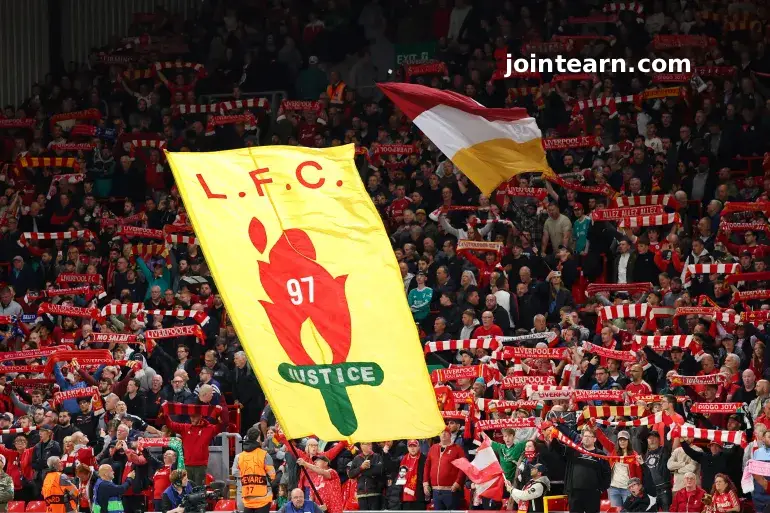
Liverpool supporters continue to honor the victims through memorials and annual tributes at Anfield, reminding the nation of the enduring impact of the 1989 disaster.


Leave a Reply