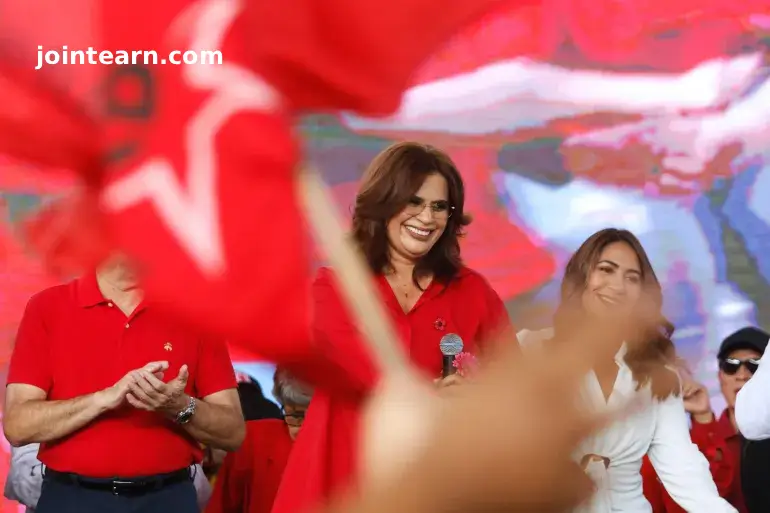
Honduras is preparing for one of the most closely watched presidential elections in its modern history, set for Sunday. The country’s political climate has been marked by accusations of election manipulation, leaked recordings, and international interference, making this vote a flashpoint for both domestic and global observers.
Key Candidates in the 2025 Presidential Race
This year’s presidential election is tightly contested, with three frontrunners vying for the presidency:
- Rixi Moncada – Governing party candidate for the left-leaning LIBRE Party, supported by outgoing President Xiomara Castro.
- Salvador Nasralla – Centre-right Liberal Party candidate.
- Nasry “Tito” Asfura – Conservative National Party candidate, endorsed by former U.S. President Donald Trump.
Polls have shown fluctuating results, with some surveys placing Moncada in the lead while others favor Asfura or Nasralla. This uncertainty has fueled tensions and recriminations between the major parties, with each accusing the other of attempting to manipulate the vote.
Allegations of Election Manipulation
The National Electoral Council (CNE), responsible for overseeing elections in Honduras, has been at the center of controversy. In late October, Marlon Ochoa, the LIBRE Party representative at the CNE, delivered audio recordings to prosecutors alleging that Cossette Lopez, representing the National Party, conspired with the military to manipulate the vote.
The recordings reportedly capture discussions about altering results and staging potential boycotts. Attorney General Johel Zelaya has opened an investigation into the incident, although some politicians, including Asfura, claim the recordings are fabricated or AI-manipulated.
Additionally, the head of Honduras’s armed forces, Roosevelt Hernandez, demanded that the military be allowed to count the votes independently, a move condemned by the CNE and international watchdogs as interference.
U.S. Influence and External Pressure
The election has also drawn attention from abroad, particularly from the United States, Honduras’s largest trading partner. Former U.S. President Donald Trump publicly endorsed Asfura while falsely labeling Moncada and Nasralla as aligned with Venezuelan President Nicolás Maduro.
Florida Congresswoman María Elvira Salazar echoed these claims, warning that a Moncada victory could steer Honduras toward socialism. Observers in Honduras, including LIBRE activists, have criticized what they see as a coordinated effort by right-wing forces to influence the election outcome.
Historical Context and Public Concerns
Honduras’s democratic system is relatively young, with only about four decades of democratic governance. Past political crises, including the 2009 coup against President Manuel Zelaya, continue to shape public sentiment.
- Zelaya was forced into exile by the military after proposing a constitutional referendum.
- Subsequent elections saw contested results and political instability, leaving a lasting impact on Honduran society.
Outgoing President Xiomara Castro has warned that some groups are attempting to replicate patterns of past fraud and coups, echoing fears of a repeat scenario.
Security Measures and Election Monitoring
In anticipation of potential unrest, the Honduran military has been deployed to safeguard ballot boxes and maintain order. The Organization of American States (OAS) will send 100 election monitors to ensure transparency and prevent interference.
Experts note that while the environment may appear tense, many Hondurans have become accustomed to political uncertainty. According to activist and history professor Daniel Valladares:
“The environment is normal. People always hope there isn’t a sh** show, but fear of violence or coups has been part of our reality.”
Stakes of the 2025 Election
Sunday’s vote carries significant implications:
- For the LIBRE Party: Maintaining control could continue progressive policies under President Castro’s influence.
- For the National and Liberal Parties: Winning the presidency could shift Honduras toward conservative, market-aligned policies, appealing to right-wing supporters domestically and abroad.
- For voters: Confidence in the democratic process and electoral integrity will be tested amid allegations of manipulation and external interference.


Leave a Reply